Getting stranded with a vehicle is stressful, but choosing the right recovery service can save time, money, and prevent further damage. Many drivers assume towing and a Winch Out Service are the same, but they serve very different purposes. Knowing the difference helps you call the right professionals and get back on the road safely.
Whether your car is stuck in mud, sand, snow, or a roadside ditch, understanding when you need a winch out instead of a tow can make all the difference. In this guide, we’ll explain how each service works, common situations where they’re needed, what they cost, and why professional recovery is always the safest option.
What Is a Winch Out Service?
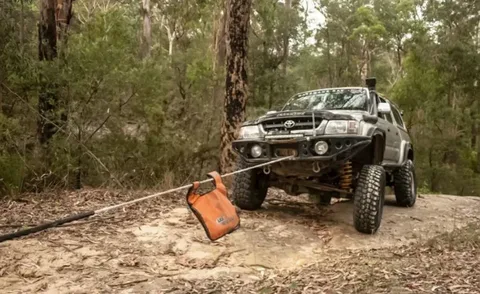
A Winch Out Service is a vehicle recovery method that uses a powerful mechanical winch attached to a tow truck. Instead of towing the vehicle away immediately, the winch slowly pulls it from a difficult location where it cannot move under its own power.
Unlike standard towing, the goal is to recover the vehicle without causing additional damage.
A professional Winch Out Service is commonly used when vehicles become stuck in:
- Deep mud
- Soft sand
- Snowbanks
- Flooded roads
- Steep embankments
- Construction sites
- Off-road trails
- Roadside ditches
- Loose gravel
Once the vehicle has been safely recovered, it may either continue driving or be towed if mechanical damage exists.
What Is Vehicle Towing?
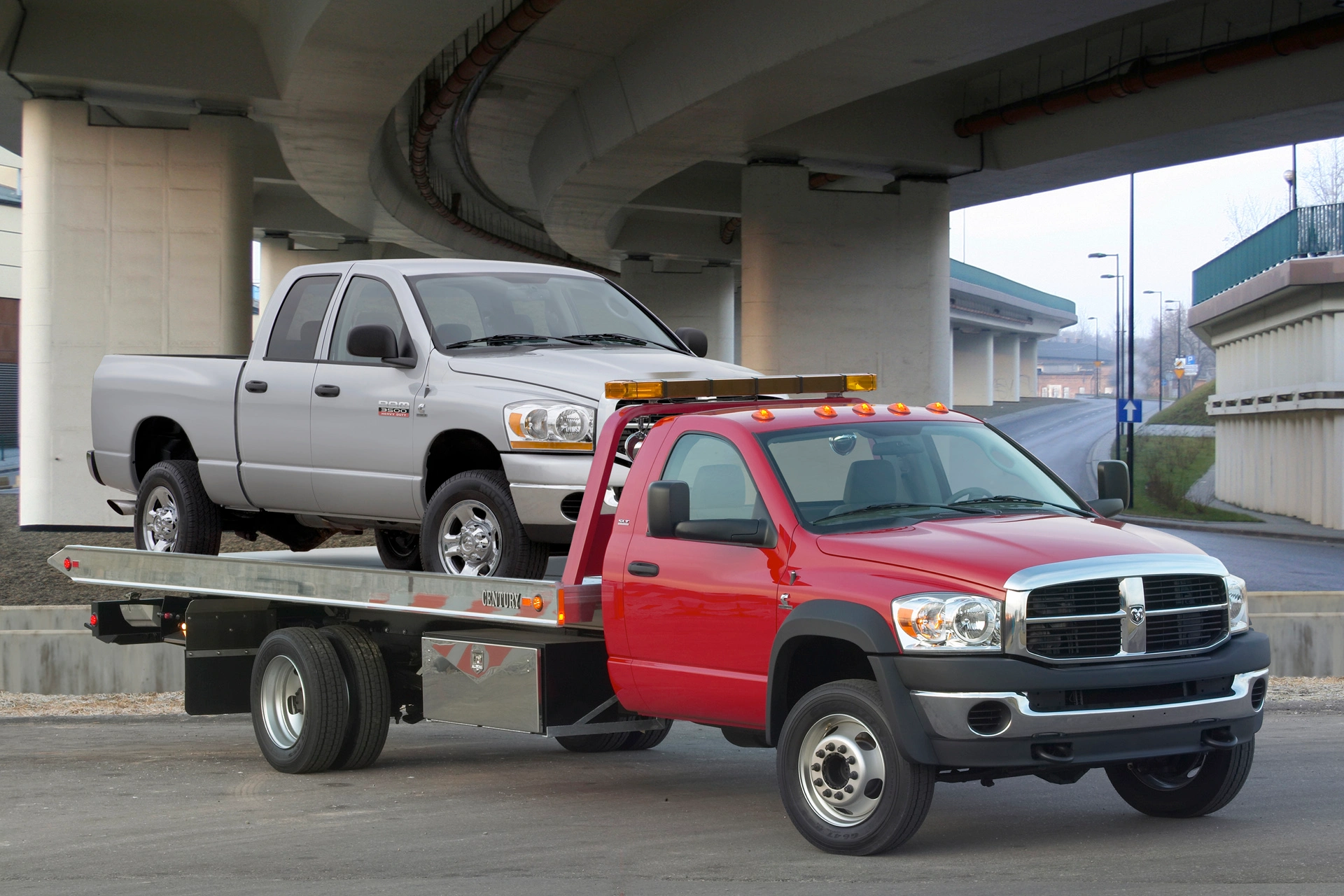
Towing is the process of transporting a disabled vehicle from one location to another using specialized towing equipment.
A tow truck lifts or secures the vehicle before transporting it to:
- Auto repair shops
- Dealerships
- Home
- Storage facilities
- Collision centers
Towing is usually necessary when the vehicle cannot be driven because of:
- Engine failure
- Transmission problems
- Accident damage
- Flat tires without a spare
- Dead batteries combined with other mechanical issues
- Overheating
- Brake failure
Unlike recovery services, towing focuses on transportation rather than extraction.
The Biggest Difference Between Winch Out Service and Towing
The main difference is simple.
A Winch Out Service removes a trapped vehicle from a difficult location.
Towing transports a disabled vehicle after it has already been recovered.
Think of it this way:
- A vehicle stuck in mud needs a winch out.
- A vehicle with a broken transmission needs towing.
- A vehicle trapped in a ditch may require both services.
Professional recovery companies inspect the situation before deciding which service is safest.
When Do You Need a Winch Out?
Many roadside emergencies involve vehicles becoming stuck rather than mechanically damaged.
You may need a winch out if your vehicle is:
- Buried in mud after heavy rain
- Stuck in deep sand
- Trapped in snow
- Sliding into a roadside ditch
- Hung on rocks while off-roading
- Immobilized on loose gravel
- Stuck in wet grass
- Unable to climb a steep incline
Drivers often worsen the situation by repeatedly pressing the accelerator. Spinning tires dig deeper, making recovery more difficult.
Experienced operators use controlled pulling techniques that minimize stress on your vehicle.
When drivers become trapped on muddy shoulders, steep drainage areas, or uneven terrain, professional Stuck Vehicle Recovery Service in Rancho Cordova, CA provides the specialized equipment and recovery techniques needed to safely remove vehicles without causing unnecessary damage to suspension, tires, or body panels.
When Is Towing the Better Choice?
Sometimes recovering the vehicle is only the first step.
If your vehicle has:
- Major engine problems
- Broken suspension
- Severe collision damage
- Transmission failure
- Electrical failure
- Steering issues
it should be transported to a repair facility.
Professional towing prevents additional wear that could occur if the vehicle is driven while damaged.
In some situations, operators first perform a winched out recovery before loading the vehicle onto a tow truck for safe transportation.
What Equipment Is Used During a Heavy Duty Winch Out?
Larger vehicles require more powerful recovery equipment.
A heavy duty winch out is commonly used for:
- Commercial trucks
- Box trucks
- Delivery vans
- Motorhomes
- RVs
- Construction equipment
- Utility vehicles
- Farm equipment
- Large SUVs
Heavy-duty recovery trucks feature industrial-grade winches capable of generating thousands of pounds of pulling force.
Recovery professionals also use:
- Recovery straps
- Snatch blocks
- Anchor points
- Chains
- Soft shackles
- Wheel stabilization equipment
Choosing the proper equipment protects both the vehicle and surrounding property.
Why Professional Recovery Is Safer Than DIY Methods
Many drivers attempt to pull stuck vehicles using another pickup truck or SUV.
Unfortunately, this often leads to:
- Broken tow straps
- Bent frames
- Suspension damage
- Transmission problems
- Flying recovery hooks
- Personal injury
Professional operators understand pulling angles, weight distribution, anchor placement, and safe recovery procedures.
Property owners dealing with flooded fields, uneven terrain, wooded access roads, or roadside drainage hazards often rely on experienced Vehicle Recovery Service in Woodland, CA because trained recovery specialists carefully evaluate ground conditions before beginning any extraction process.

What Affects the Cost of a Winch Out Service?
Every recovery situation is unique.
Several factors determine pricing:
Vehicle Size
Larger vehicles require stronger recovery equipment.
Recovery Difficulty
Deep mud or steep embankments require more time.
Recovery Distance
Vehicles farther from accessible roads take longer to recover.
Weather Conditions
Rain, snow, flooding, or ice increase recovery complexity.
Time Required
Simple recoveries may take minutes, while difficult extractions can require specialized rigging.
Additional Towing
If the vehicle cannot be driven after recovery, towing services may be added.
Professional companies provide transparent assessments before beginning the recovery whenever possible.
Can a Vehicle Be Damaged During Recovery?
Not when proper recovery techniques are used.
Professional operators locate manufacturer-approved recovery points before attaching equipment.
Safe recovery includes:
- Controlled pulling force
- Proper cable angles
- Stable anchor locations
- Wheel alignment monitoring
- Vehicle stabilization
These procedures greatly reduce the risk of damage.
Attempting recovery without the proper equipment often causes more damage than the original incident.
Drivers who become stranded in soft ground, construction areas, or off-road locations frequently choose professional Winch Out Service in Folsom, CA because experienced operators use advanced recovery equipment designed to safely extract vehicles while protecting suspension components, undercarriages, and surrounding property.
Preventing the Need for a Winch Out Service
While some situations are unavoidable, many recoveries can be prevented.
Helpful tips include:
- Avoid driving through standing water.
- Stay on marked roads.
- Check weather conditions before traveling.
- Reduce speed on muddy roads.
- Avoid soft shoulders.
- Carry emergency recovery gear.
- Use appropriate tires for seasonal conditions.
- Do not continue spinning your wheels if stuck.
Stopping early often prevents minor situations from becoming major recoveries.
Why Drivers Trust ST Towing LLC
Fast response and professional recovery make a significant difference during roadside emergencies. ST Towing LLC provides dependable recovery solutions using modern equipment and experienced operators trained to handle vehicles in challenging conditions.
Whether you need a simple winch out, a complex heavy duty winch out, emergency roadside recovery, or complete towing services, the team focuses on protecting your vehicle while restoring your mobility as quickly and safely as possible. Their commitment to safety, efficiency, and customer care has made them a trusted choice for drivers facing unexpected roadside situations.
Frequently Asked Questions (FAQs)
1. What is a Winch Out Service?
A Winch Out Service safely pulls a vehicle out of mud, sand, snow, ditches, or other areas where it is stuck using a powerful recovery winch.
2. Is a winch out the same as towing?
No. A winch out recovers a trapped vehicle, while towing transports a disabled vehicle to another location.
3. When would a vehicle need to be winched out?
Vehicles are commonly winched out after becoming stuck in mud, sand, snow, steep embankments, flooded roads, or roadside ditches.
4. What is a heavy duty winch out?
A heavy duty winch out uses larger recovery equipment designed for commercial trucks, RVs, buses, construction equipment, and other heavy vehicles.
5. Can my vehicle be damaged during recovery?
Professional recovery operators use manufacturer-approved attachment points and controlled pulling methods to minimize the risk of damage.
6. How long does a Winch Out Service usually take?
Simple recoveries may take 20 to 30 minutes, while complex recoveries involving difficult terrain or heavy vehicles may take longer.
7. Can I drive my vehicle after a winch out?
If your vehicle has no mechanical damage after recovery, you may be able to continue driving. Otherwise, towing may be recommended.
8. Should I try pulling my vehicle out myself?
DIY recovery can damage your vehicle and create safety hazards. Professional recovery equipment and trained operators provide a much safer and more effective solution.