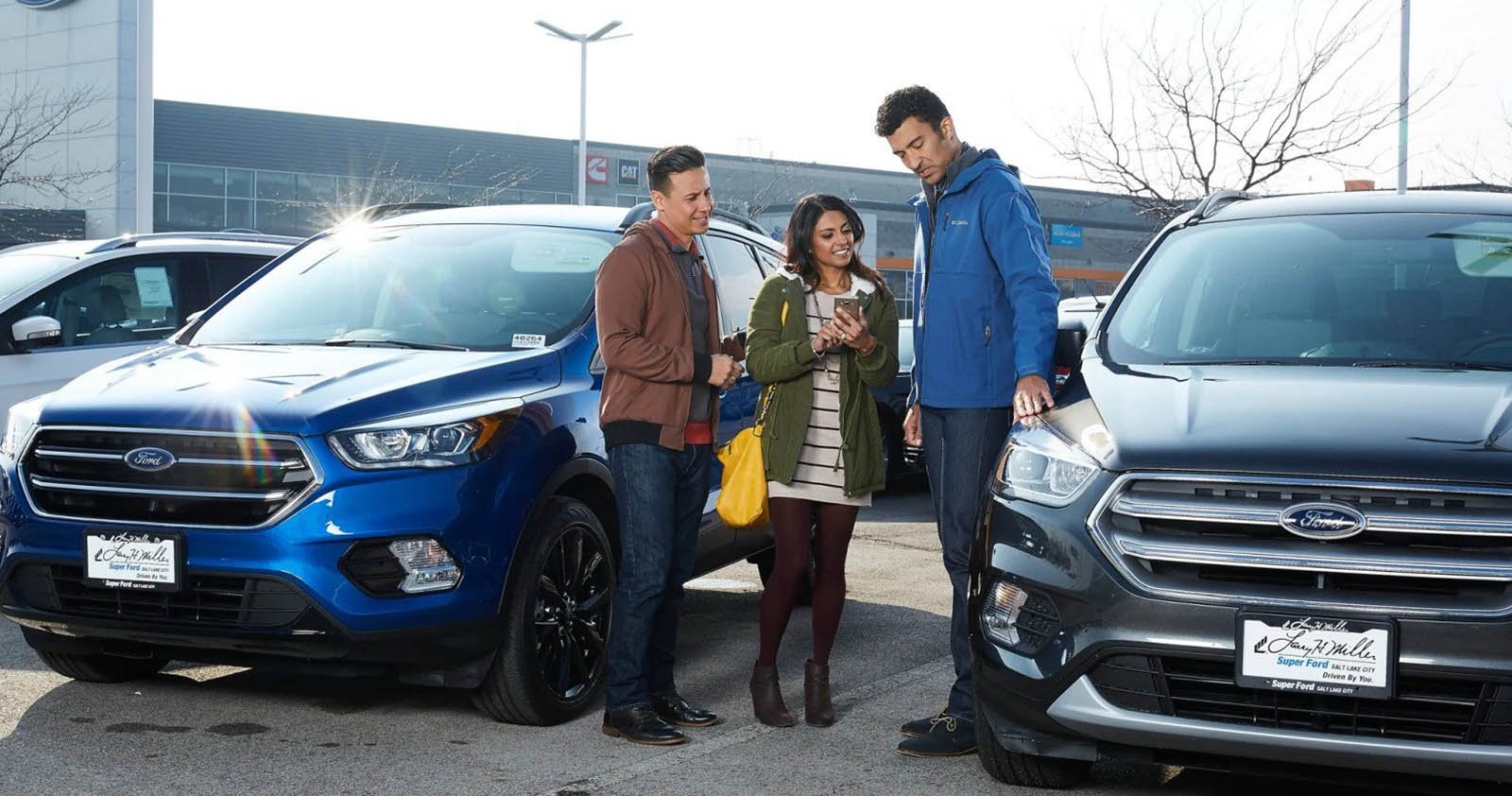
Everyone says there’s a perfect day to buy a car. There kind of is, but it isn’t magic. Dealers have sales goals, and they give in on price when those deadlines get close. If you sell your old car first, whether to a car buyer service or on your own, you also walk in with cash and a lot more control.
This guide covers the best time to buy a car, how to get the best deal on a car, and how to line up the sale of your old one.
Quick answer: The best time to buy is usually late December, the last days of any month or quarter, and the fall model-year clearance period. But the best time for you is when your budget, loan, and old car are all sorted out. A great sale won’t help if you’re not ready.
Best Time of Year to Buy a Car
Most car-buying advice agrees on a few windows. Here they are side by side:
| When | Why it works | Watch out for |
| End of the month or quarter | Salespeople are chasing their targets | Showrooms can be busy |
| Late summer to early fall | New model years arrive, so last year’s cars get discounted | Slightly lower resale value later |
| October to December | Dealers push to finish the year strong | Popular models can sell out |
| Late December | Dealers care about yearly totals | Holidays and tight schedules |
| Holiday weekends | Memorial Day, Labor Day, and Black Friday sales | Crowds and pressure |
| Mondays and slow weekdays | Less busy, so you get more time | Fewer deals on some days |
If you’re reading this in the fall, you’re already in one of the better windows.
Prices also move with supply, interest rates, and the model you want. Check current prices before you assume a certain month will save you money.
What About Used Cars?
Used car prices don’t follow the model-year cycle as closely. Condition, mileage, and local demand matter more. Dealers still have goals to hit, so the end-of-month trick helps a little.
The bigger savings usually come from patience. Look at several listings, compare prices on the same model, and get an inspection before you pay. A car that looks like a good deal on paper can still hide repair bills.
Why Selling Your Old Car First Helps
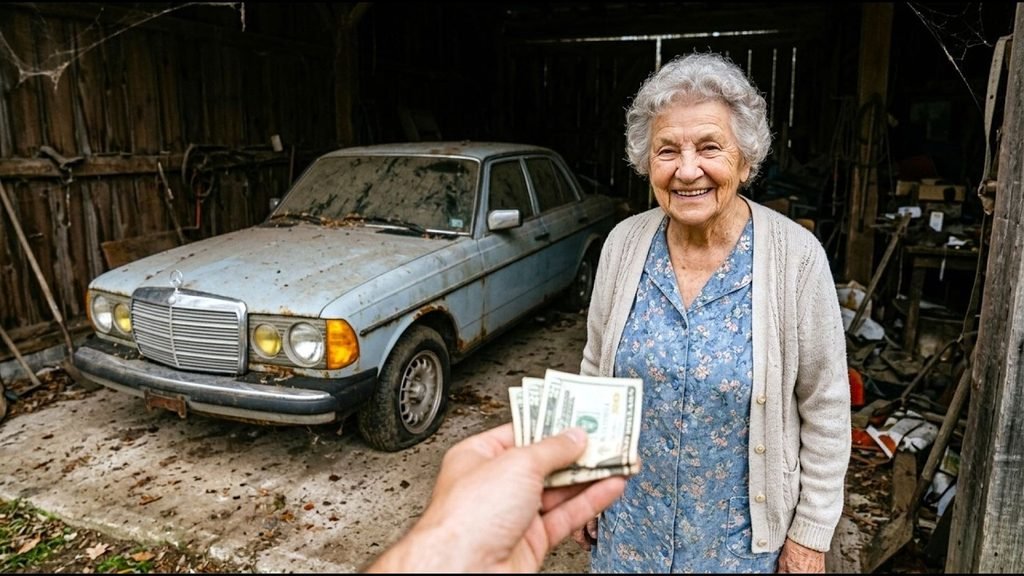
This is the part most guides skip. Your old car is money, and how you sell it changes how much you can spend.
You have three main choices:
| Option | Speed | Hassle | Good for |
| Dealer trade-in | Same day | Low | Convenience |
| Private sale | Can take weeks | High | Chasing the top price |
| Car buyers service | Often fast | Low to medium | Quick cash, or cars that don’t run |
A car buyers service buys your car directly. You get an offer, accept it, and hand over the car. It’s a good fit when you want cash fast, or when the car has damage, high mileage, or won’t start.
Selling first has another benefit. When the old car is already gone, the dealer can’t blur your trade-in value into the new car’s price. That makes it easier to see if the deal is actually good.
There’s one California detail to check. At a dealer, your trade-in value can lower the sales tax on the new car, since tax is figured on the price minus the trade-in. That may cancel out some of what you’d gain by selling elsewhere. Run the numbers both ways.
If you sell your car, file a Notice of Transfer and Release of Liability with the California DMV. The DMV asks for it within five days, so tickets or tolls after the sale don’t land on you.
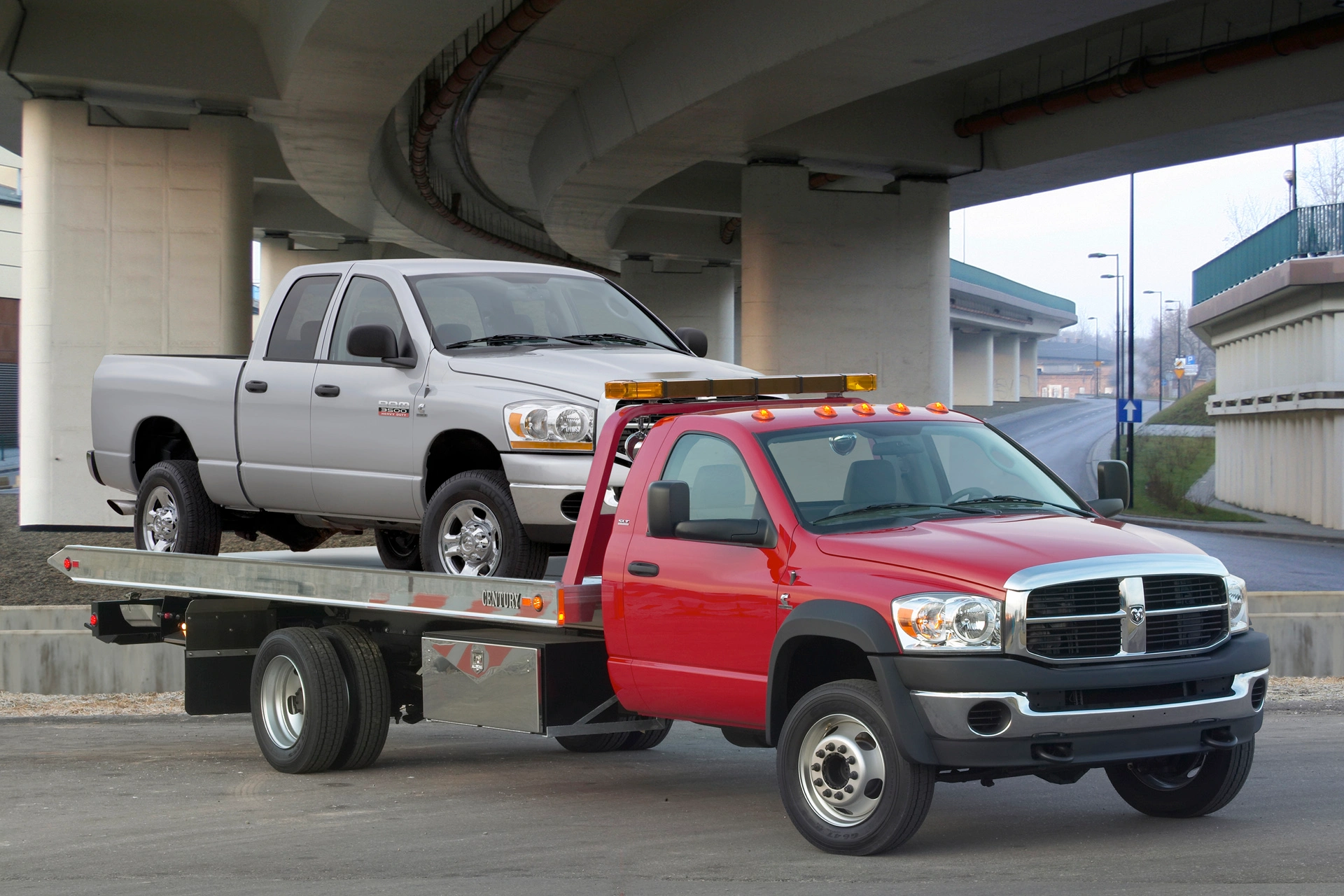
If your old car was in an accident or won’t run, moving it is the first problem. See how a Car Towing Service can help.
And if you’d rather sell than trade in, check out our page for Car Buyers in Sacramento, CA.
How to Get the Best Deal on a Car

Good timing helps. Good prep helps more. Try this order:
- Get preapproved for a loan first. Your bank or credit union will tell you your rate, and you can compare it to the dealer’s offer.
- Know what the car is worth. Look at prices for the same model in your area.
- Ask for the out-the-door price. That includes taxes, fees, and add-ons, not just the sticker price.
- Contact more than one dealer. Ask each for their best price and let them compete.
- Negotiate the car price, not the monthly payment. A low payment can hide a long loan and extra cost.
- Keep the trade-in separate. Settle the car price first, then talk about your old car.
- Be ready to walk away. It’s your strongest move.
How to Save Money Buying a Car: Common Mistakes
These car buying strategies sound basic, but people skip them all the time:
- Buying in a rush. Needing a car tomorrow hands dealers all the leverage.
- Looking only at the payment. Longer loans mean more interest.
- Skipping the insurance quote. Some models cost a lot more to insure.
- Saying yes to every add-on. Extras like paint protection add up fast.
- Skipping the inspection on a used car. A mechanic’s check costs far less than a surprise repair.
- Not saving a down payment. More down means less to borrow. One common rule of thumb is 20% down, a loan of four years or less, and car costs under 10% of your income. It’s a guide, not a law.
A Simple Plan
- Check your budget and credit.
- Get preapproved for a loan.
- Decide how you’ll sell your old car.
- Pick your window: end of the month, fall, or December.
- Compare out-the-door prices from a few dealers.
- Sign only when the paperwork matches what you were told.
Final Thoughts
You can save real money by timing a car purchase well, but timing is only one piece. A loan approval, a fair price on your old car, and a little patience matter just as much.
ST Towing LLC can help with the old-car side of the process. Learn more about our Towing Service then tell us about your car.