Car accidents happen without warning, and they often leave drivers feeling stressed and
unsure of what to do next. Staying calm and making safe decisions can help protect everyone
involved. After checking for injuries and contacting emergency services, moving a damaged
vehicle becomes an important step. A professional car towing service helps remove the
vehicle from the road safely, reducing traffic risks and preventing additional damage. It also
makes the recovery process much easier during a difficult situation. Understanding how towing
works after an accident helps drivers prepare for unexpected events and make informed
decisions. This guide explains what happens after a collision and how the right towing support
can make the entire experience safer and less overwhelming.
1. Stay Safe Before Anything Else
Safety should always come first after a car accident. If possible, move to a safe location away
from traffic and turn on your hazard lights. Check yourself and others for injuries before doing
anything else. If anyone is hurt, call emergency services immediately.
Next, contact the police if required by local laws or if the accident involves injuries or significant
damage. Stay calm while waiting for help to arrive. Avoid standing near moving traffic because
secondary accidents can happen quickly.
“The first priority after any accident is protecting lives, not vehicles.”
Once everyone is safe, assess whether the vehicle can be driven. If it cannot, an accident
towing service provides a safe way to remove the damaged vehicle without creating additional
hazards on the roadway.
2. Why Towing Is Important After an Accident
A damaged vehicle may not be safe to drive, even if the damage appears minor. Hidden
problems with the brakes, steering, suspension, or tires can make driving dangerous. For that
reason, towing is often the safest option.
A professional car towing service helps move the vehicle without causing further mechanical
damage. Proper equipment also protects the vehicle during transportation to a repair facility or
another approved location.
Some important benefits include:
● Prevents additional vehicle damage.
● Reduces traffic hazards.
● Keeps drivers and passengers safe.
● Supports insurance documentation.
● Helps clear accident scenes efficiently.
● Provides secure transportation for damaged vehicles.
3. What Happens During the Towing Process
Many drivers feel uncertain because they have never experienced accident towing before.
Understanding the process helps reduce stress during an already difficult situati
After arriving, the towing operator inspects the vehicle to determine the safest loading method.
The vehicle is then secured using professional equipment designed to prevent movement during
transport. Careful loading protects the suspension, tires, and body from unnecessary damage.

4. Choosing the Right Towing Support
Not every accident is the same, so choosing the right towing assistance matters. Different
situations may require different equipment depending on the vehicle’s condition and location.
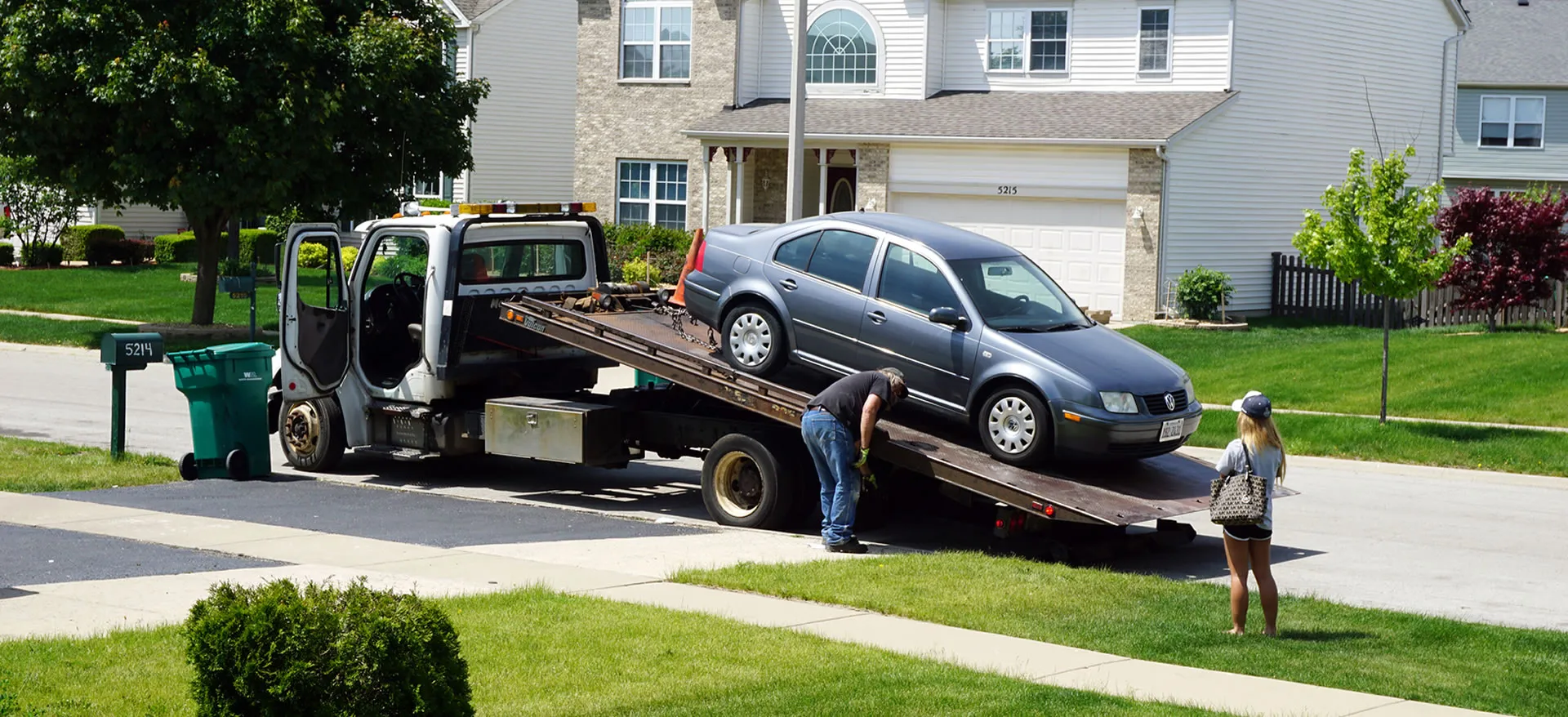
For example, a heavily damaged vehicle may require a tow truck for car accident recovery
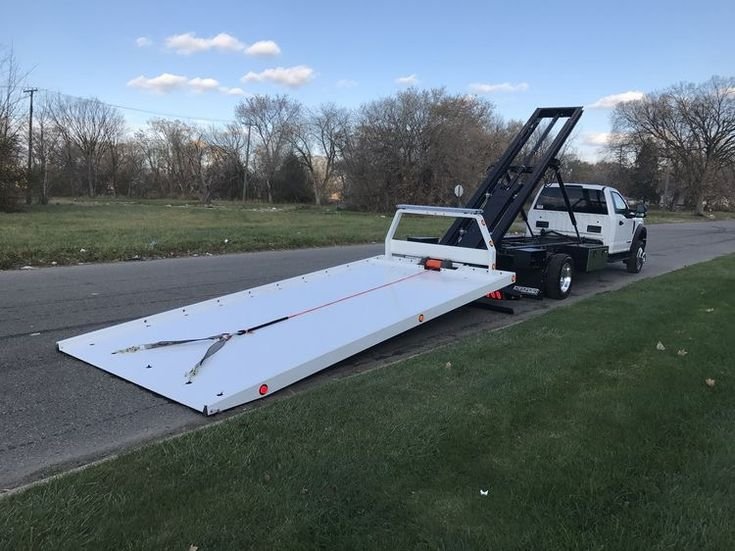
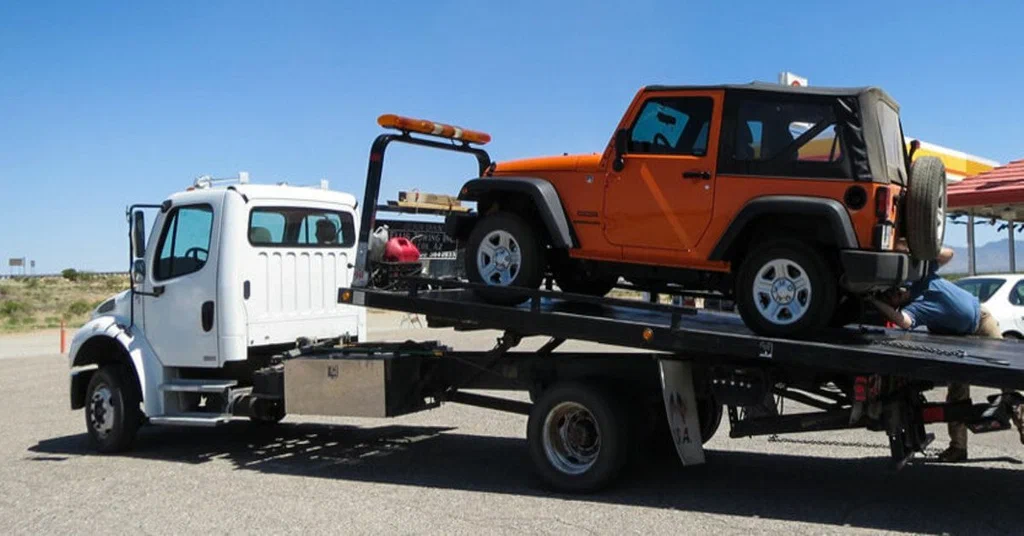
rather than a standard tow. Flatbed trucks often provide extra protection because all four wheels
remain off the ground during transportation.
“Safe towing starts with using the right equipment for the right situation.”
Whether the accident occurs on a busy highway, a neighborhood street, or a parking lot, proper
Accident towing helps reduce additional risks while protecting the vehicle from further damage.
Taking a careful approach allows the recovery process to move forward safely and efficiently.
5. How Towing Helps With Insurance and Repairs
After an accident, dealing with insurance and repair shops can feel overwhelming. Fortunately,
Proper towing helps keep the process organized. A safely transported vehicle is easier for
insurance adjusters to inspect and document. Clear records also help repair shops identify
visible and hidden damage more accurately.
If the vehicle cannot be driven, towing prevents additional wear that could affect insurance
claims. Keeping the car in its post-accident condition also helps preserve important evidence
when needed.

Many drivers choose trusted local providers depending on where the accident occurs. For
example, car towing service in Sacramento CA offers dependable transportation options for
damaged vehicles while helping drivers begin the repair process safely. A smooth recovery
starts with protecting the vehicle from the moment it leaves the accident scene.
6. Different Types of Towing Used After an Accident
Every accident creates different challenges, so towing methods vary based on the vehicle’s
condition. Minor damage may allow standard towing, while severe damage often requires a flatbed truck for maximum protection.
Flatbed towing keeps all four wheels off the road, reducing stress on the suspension and
drivetrain. Wheel-lift towing may work well for lighter damage when conditions allow. Heavy-duty
towing is commonly used for larger vehicles such as commercial trucks and vans.
The right towing method depends on several factors, including vehicle size, accident severity,
and road conditions. In nearby communities, drivers often rely on reliable towing service in
Folsom, CA when safe vehicle recovery is needed. Choosing the proper towing method helps
reduce additional damage during transportation.
7. Why Fast Response Makes a Difference
Quick assistance can improve safety after an accident. A damaged vehicle left on the roadside
increases the risk of another collision, especially in poor weather or low visibility. Fast towing
helps clear traffic and allows emergency responders to work more efficiently.
Prompt vehicle removal also helps drivers continue with insurance claims, repairs, and
transportation arrangements sooner. Waiting too long can create unnecessary stress and
additional inconvenience.
Drivers involved in accidents outside major cities also benefit from dependable local towing
support. For example, emergency vehicle towing in Woodland, CA helps remove damaged
vehicles quickly while improving roadside safety for everyone nearby. Fast action protects
drivers, passengers, and other motorists while helping restore normal traffic flow.
8. Being Prepared Before an Accident Happens
No one expects to be involved in an accident, but preparation makes unexpected situations
easier to handle. Keeping emergency phone numbers, insurance information, and vehicle
registration together saves valuable time. A charged mobile phone, flashlight, and basic
An emergency kit can also be helpful.
Learning what to expect after an accident reduces confusion during stressful moments.
Understanding when towing is necessary allows drivers to make safer decisions without
rushing. Staying calm, following safety procedures, and relying on professional towing support
all contribute to a smoother recovery process.
Preparing today can make tomorrow’s emergency far less stressful. Knowing the right steps
before an accident happens provides confidence when every decision matters.

A Safe Recovery Starts with the Right Decisions
A car accident can change an ordinary day in seconds, but the right actions help make recovery
easier. Prioritizing safety, contacting emergency services, documenting the accident, and
Arranging proper towing all play important roles in protecting both people and vehicles. It helps
improve roadside safety, supports insurance claims, and allows repairs to begin without
unnecessary delays. Trusted professionals, including st towing, understand the importance of
handling accident recovery with care, helping drivers move forward after a difficult experience.
FAQs
What type of tow truck is used after a car accident?
The type depends on the vehicle’s condition. Flatbed tow trucks are commonly used because
they transport damaged vehicles safely while helping prevent additional dama
When should I call a car towing service after an accident?
Call a towing service if your vehicle is unsafe to drive, has severe damage, blocks traffic, or
cannot operate normally after the accident.
Is it safe to drive my car after a minor accident?
Not always. Hidden damage to the brakes, steering, suspension, or tires may create safety
risks, so a professional inspection is recommended before driving again.
What information should I collect before my vehicle is towed?
Take photos of the accident, record vehicle damage, exchange insurance details, and note the
towing company’s information for insurance and repair documentation purposes.
Does accident towing help with the insurance claim process?
Yes. Proper accident towing keeps the vehicle secure and allows insurance adjusters to inspect
the damage accurately, helping support a smoother claims process.