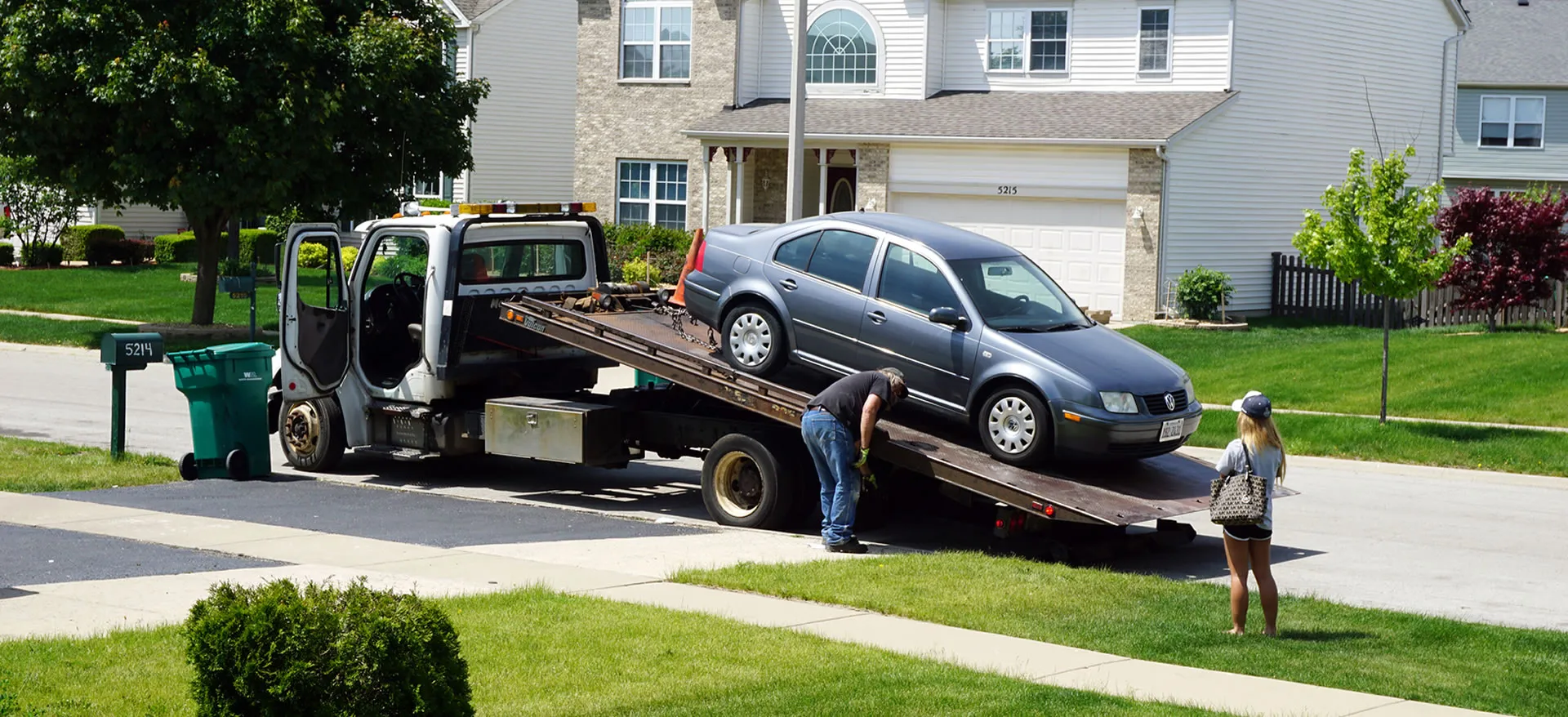
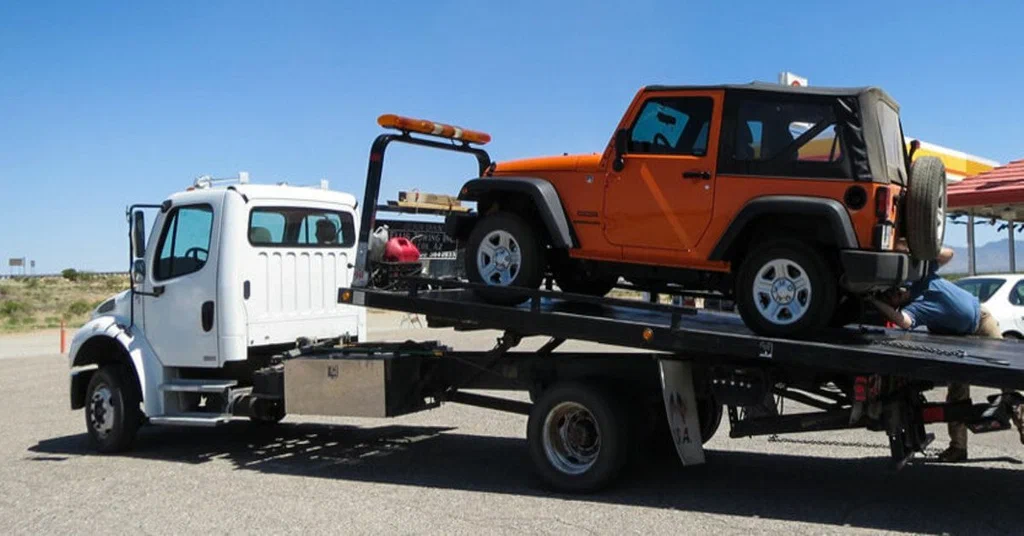
A vehicle can stop at the worst possible moment. It may happen during a busy commute, late at night, or far from home. Suddenly, a normal drive becomes a stressful roadside problem. Knowing the difference between Emergency Towing and regular towing can make that moment easier to understand. However, the main distinguishing factor is mainly due to the level of urgency, the place where it happens, the time when it happens, and the state of the car. In case of emergency towing, there is usually the problem of having a disabled car that causes some form of hazard. Normal towing could include the case of moving a car from one place to another, repair work, and other forms of movement that would have been pre-planned. But the fact is that in both cases, there is use of a tow truck to tow the car.
1. What Makes Emergency Towing Different?
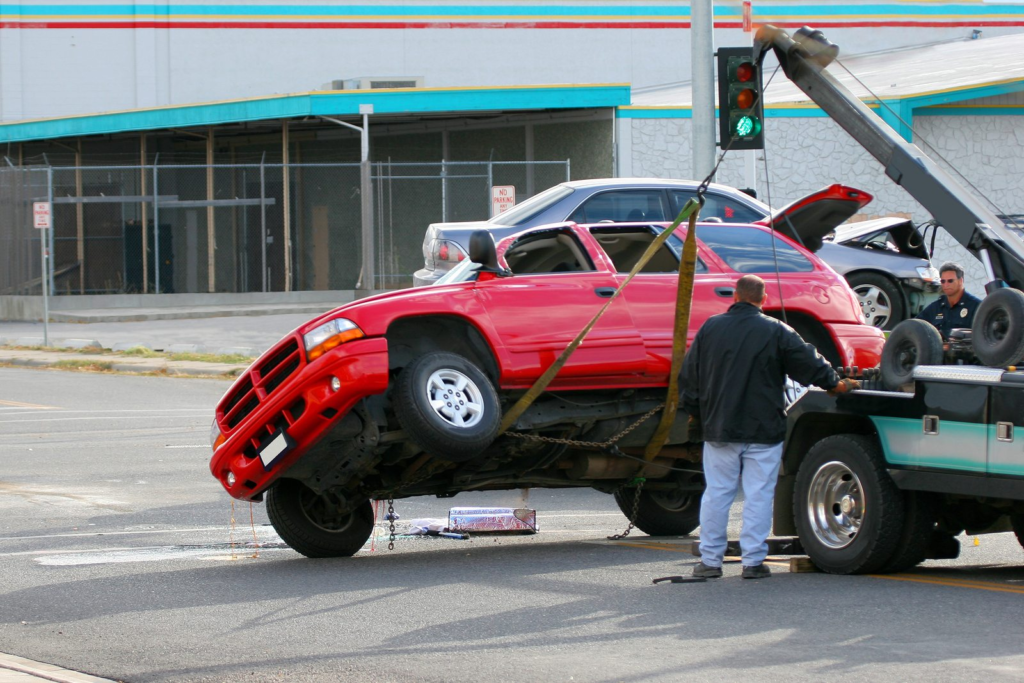
Emergency Towing focuses on situations where a vehicle needs prompt removal or transport. A breakdown on a busy road can create risks for everyone nearby. A collision may render a car not safe for driving and in such instances it may be unrealistic to wait for the most suitable time for towing. Towing services in emergency situations may also be necessary when the vehicle blocks other traffic or occupies an unsafe position.
Regular towing on the other hand is relatively relaxed. For instance, a vehicle may require moving from one point to the other for an inspection process or even moving a classic car to another location. Thus, it is the nature of the towing circumstance that makes the major difference.
2. When Does a Vehicle Need Immediate Towing?
Some situations create a stronger reason for immediate towing. For example, a vehicle may stop working on a freeway or busy street. A damaged vehicle may also have unsafe steering, braking, or other serious problems. Continuing to drive can increase the chance of another incident. Therefore, recognizing the signs you need emergency towing can protect both the driver and other road users.
Typical scenarios for issuing warnings include:
- A disabled vehicle in live traffic.
- A damaged car that makes it unsafe to drive.
- Heavy damage that makes it impossible to steer and brake normally.
- The occurrence of smoke or abnormal heat around the vehicle.
- A vehicle obstructing a travel lane or hazardous part of the road.
There are additional safety regulations that apply to stopped tow trucks, which use amber warning lights, in California. Drivers must safely move over or reduce their speed if moving over is not possible. Thus, in many cases, the best option would be to remove the vehicle from the active traffic flow.
3. Is a Tow Truck an Emergency Vehicle?
The question is a tow truck an emergency vehicle has a more detailed answer. While a tow truck serves as an emergency vehicle at the side of the road, its presence on the roads does not automatically mean that all tow trucks have the same legal rights as police cars, ambulances, or fire trucks. The laws of California provide for specific types of emergency vehicles and tow trucks.
The significance of this definition is important because a driver should not expect that a tow truck has access to all privileges provided to emergency responders. It means that you should consider a tow truck as a dangerous obstacle at the roadside and give it space when passing it.
4. Emergency Towing vs. Roadside Help
The difference between emergency towing vs roadside help often causes confusion. Roadside help covers several types of vehicle problems. These may include battery assistance, flat-tire service, fuel delivery, lockout help, and minor mechanical assistance.
Towing becomes necessary when the vehicle cannot safely continue. For example, a dead battery may only need a jump. A flat tire may only need replacement with a usable spare. However, a failed repair attempt or major damage may require transportation instead. Therefore, roadside assistance can sometimes solve a problem without towing. However, Emergency Towing becomes important when safe driving is no longer possible.
5. When Regular Towing Makes More Sense
Regular towing usually works well when transportation can happen without immediate danger. For example, a vehicle may need a scheduled trip to a mechanic. A newly purchased car may also require transportation before registration or repairs. Similarly, an owner may need to move a non-running vehicle from a private property.
A local towing service may handle both planned and urgent transportation. However, the urgency remains the main factor. A scheduled tow allows more time to discuss timing, vehicle type, destination, and transportation needs. Emergency situations often allow less flexibility.
Consider these common planned situations:
- Moving a disabled vehicle from a driveway.
- Transporting a car to a scheduled repair appointment.
- Relocating a vehicle between private properties.
- Moving a vehicle after planned mechanical work.
- Transporting a specialty or non-running vehicle.
Regular towing can therefore feel more predictable. It gives the vehicle owner more control over timing and destination. Most importantly, it avoids treating every towing need as an emergency.
6. How Timing and Location Change the Situation
Timing can change the nature of a towing request. A vehicle that stops safely in a driveway may not need immediate emergency service. However, the same vehicle could create a serious problem if it stops in a travel lane. Location therefore matters as much as the mechanical failure itself.
Likewise, a 24/7 towing service in Folsom CA may receive calls at different times and for different reasons. Nighttime breakdowns can create added safety concerns because visibility may be lower. Busy roads can also increase exposure to passing traffic. Therefore, location and timing should always shape the response. A calm daytime tow and a dangerous roadside breakdown may require very different levels of urgency.
7. What Affects the Towing Process and Cost?
Several factors can affect a towing charge. Distance remains one major factor because longer transportation usually requires more time and fuel. Vehicle size can also matter because larger vehicles may require different towing equipment. The vehicle’s condition can further affect how the tow operator handles it. For example, a car towing service Roseville CA search may involve very different situations. One driver might need planned transportation to a repair shop. Another driver might face an unexpected breakdown during traffic. The service category may look similar, but the urgency differs.
Before service, clear information can reduce misunderstandings. Important details include:
- Vehicle make and model.
- Exact location.
- Vehicle condition.
- Desired destination.
- Whether the vehicle can roll.
- Whether the vehicle suffered collision damage.
Therefore, accurate information supports safer planning and clearer expectations.
8. Choose the Right Type of Towing for the Situation
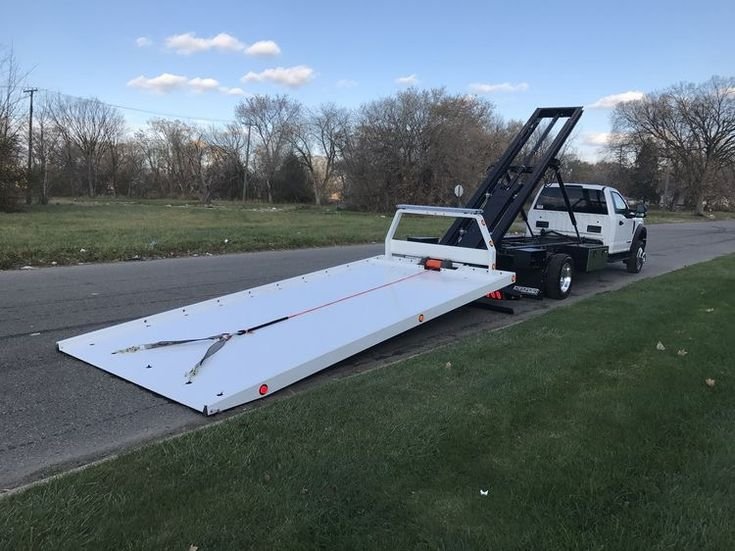
The best towing choice depends on urgency, safety, vehicle condition, and location. Emergency towing fits situations where a disabled vehicle creates an immediate concern or cannot safely remain where it stopped. Regular towing fits planned transportation where immediate removal is not necessary. However, both situations share one important goal: safe vehicle movement. A tow operator may assess the vehicle before choosing the safest towing method. Depending on the vehicle and its condition, operators may use different types of tow equipment. AAA notes that flatbed and wheel-lift equipment may be used based on vehicle condition and towing needs.
Remember these simple distinctions:
- Emergency towing: urgent, unexpected, and often safety-related.
- Regular towing: planned, scheduled, or less urgent.
- Roadside assistance: may solve smaller problems without towing.
- Vehicle transport: focuses on moving a vehicle from one location to another.
Most importantly, never treat an unsafe vehicle as drivable simply because the destination seems close. A short distance can still create serious risks when the vehicle cannot operate safely.
When the Road Changes, Understanding Towing Can Make the Difference
Vehicle trouble can turn an ordinary trip into an uncertain moment. Yet understanding the difference between emergency and regular towing brings clarity when the road suddenly changes. Emergency Towing generally addresses urgent situations where a vehicle cannot safely remain in place or continue driving. Regular towing supports planned transportation and less urgent needs.
Understanding those differences can reduce stress and support safer choices. Businesses such as ST Towing LLC may appear in local searches, but the same basic distinction remains useful everywhere. When vehicle trouble interrupts the journey, clear information can turn confusion into a safer path forward.
FAQs
1. What distinguishes emergency from normal towing?
Emergency towing involves handling emergencies involving a car and which may pose dangers or necessitate immediate towing. Normal towing typically involves a planned transport.
2. Is there a need for emergency towing in every breakdown?
No. There are some breakdowns that need roadside assistance such as battery jump, or tire change.
3. Is a tow truck classified as an emergency vehicle?
This may not be the case since the laws of California classify tow trucks and authorized emergency vehicles distinctly. A tow truck is allowed to use flashing amber warning lamps in specific roadside situations.
4. In what cases should a car receive emergency towing?
Emergency towing becomes necessary where a car poses danger to continued driving, blocks the road, has suffered extensive damage in a crash, or poses danger at a roadside position.
5. Is it possible to have roadside assistance without towing?
This is possible where the service includes things like battery assistance, tire change, delivery of fuel, lockout assistance and mechanical services.