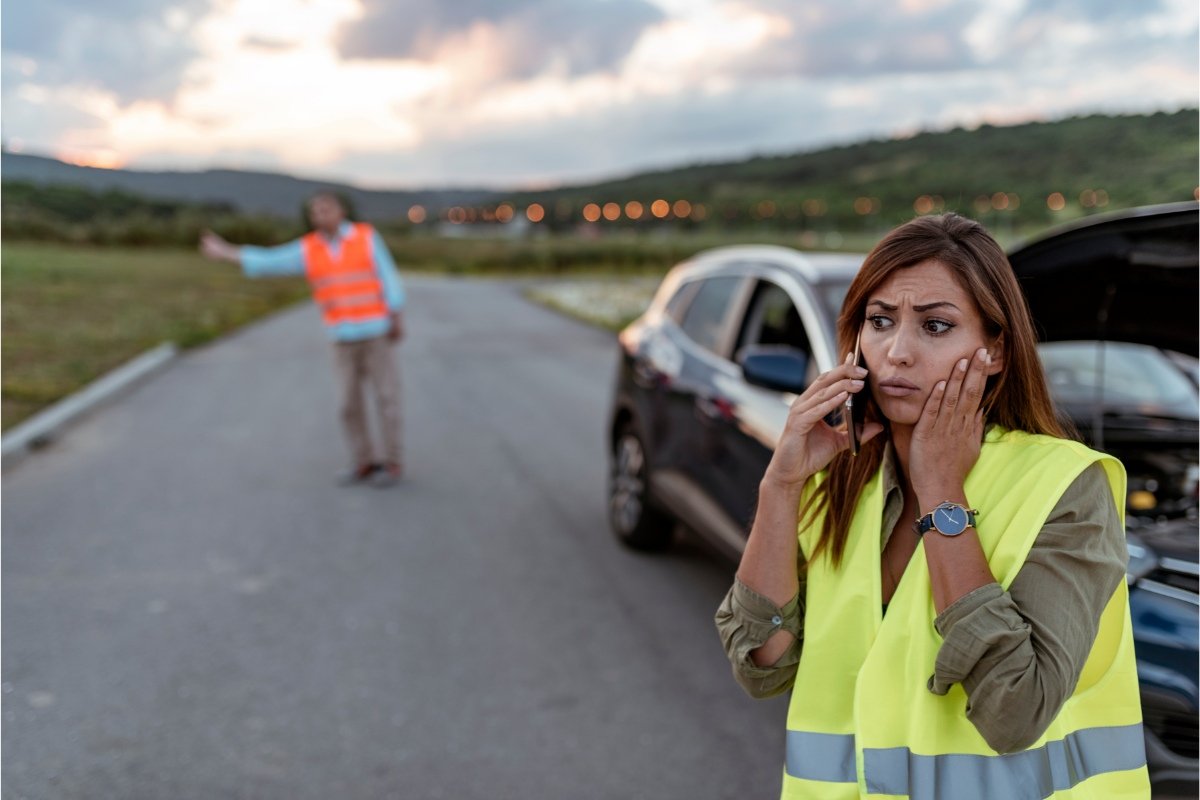
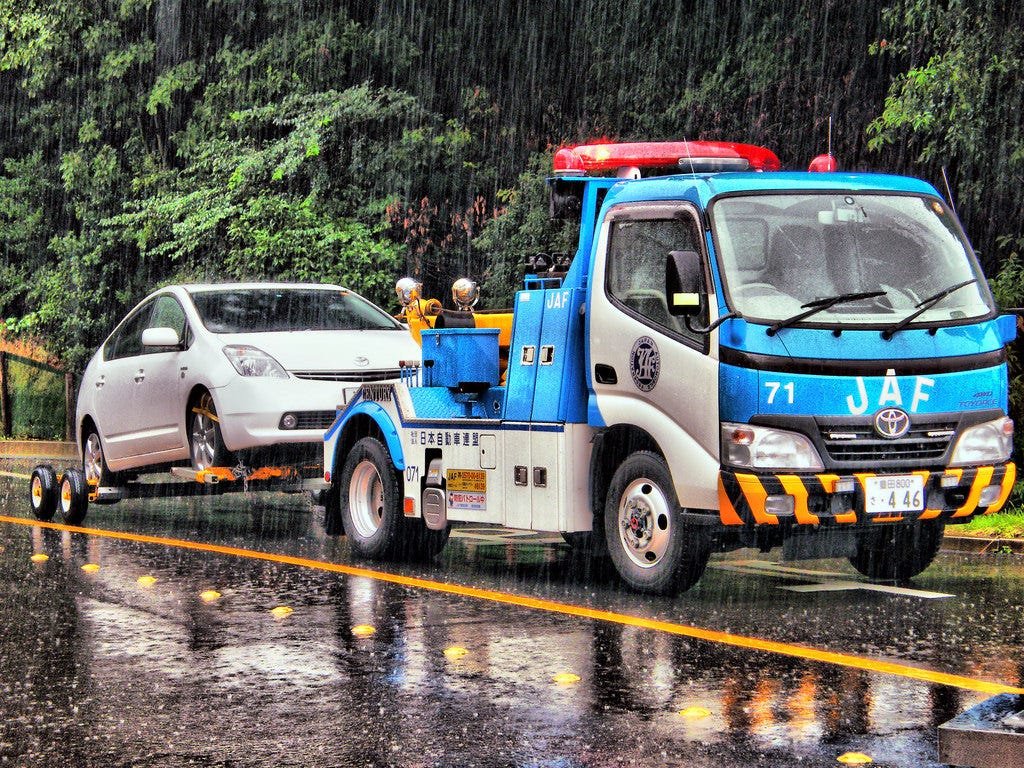
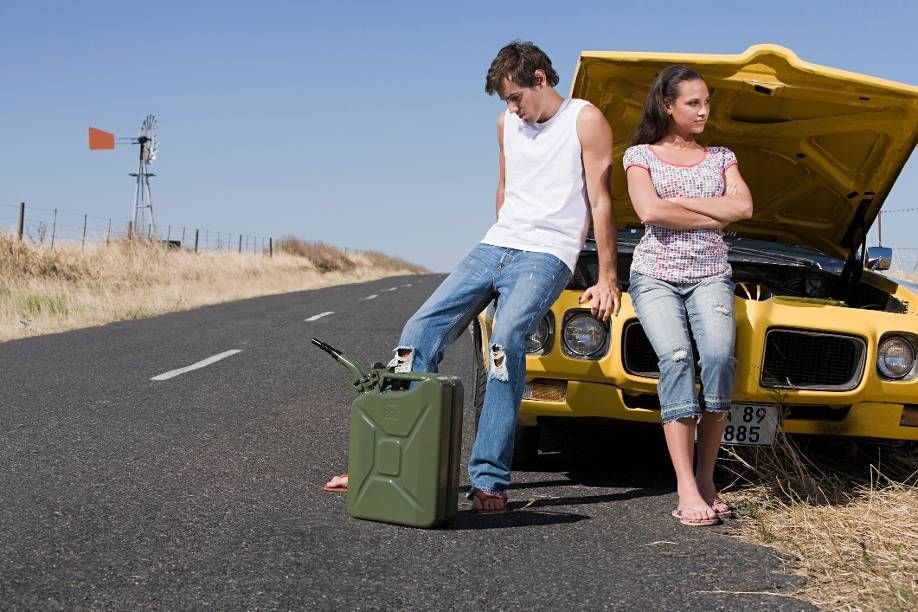
You turn the key and hear a weak click. Or the tire pressure light flashes on Interstate 5, the steering starts to pull and you ease onto a shoulder with trucks rushing past. Vehicle problems almost never happen at a good time. They happen on the way to work, after a late shift, in a dark parking lot or on a 105-degree afternoon in July.
That is when fast roadside assistance matters most. A trained technician comes to you, fixes the small problem that stopped your car, and gets you back on the road, often without a tow. The quicker that help arrives, the less time you spend exposed to traffic, heat, cold or a stressful wait.
This guide explains what fast roadside assistance covers, why speed makes such a difference, how a car battery jump start service works, what to do while you wait, and when a tow is the better call.
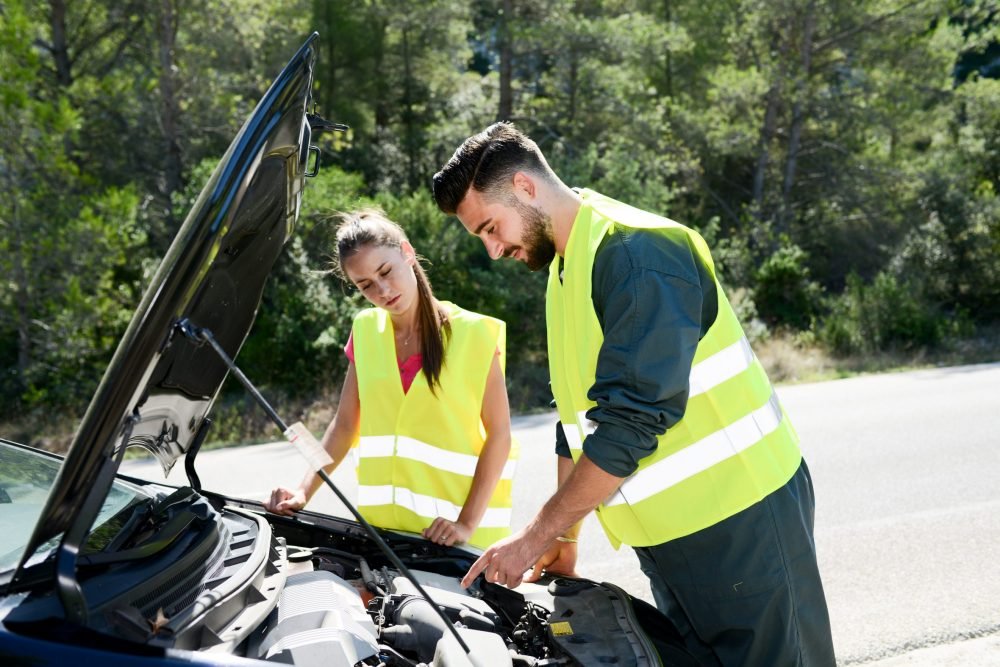
The quick answer:
- Fast roadside assistance handles the problems that stop a car but do not need a repair shop: dead batteries, flat tires, empty tanks, lockouts and cars stuck off the pavement.
- Speed is a safety issue. Every minute on a highway shoulder or in an isolated lot adds risk, so prompt help protects you as much as your schedule.
- A dead battery is one of the most common roadside calls, and a professional jump start is usually quick and safe for modern vehicle electronics.
- Turn on your hazard lights, get to the safest spot you can, and give the dispatcher your exact location and vehicle details.
What Is Fast Roadside Assistance?
Roadside assistance is on-the-spot help for a vehicle that has stopped running or cannot be driven safely. Instead of hauling the car to a shop, a technician comes to you with the tools to solve the problem where you are. Fast roadside assistance simply means that help is available around the clock and dispatched promptly, so a minor problem does not turn into hours stranded on the roadside.
ST Towing’s Roadside Assistance Services cover the problems drivers run into most:
- Battery jump starts for cars that click, crank slowly or will not start at all.
- Flat tire changes using your spare, so you can drive to a tire shop.
- Fuel delivery when you run out of gas before reaching a station.
- Lockout assistance when your keys are locked inside the vehicle.
- Winch out service when your car is stuck in mud, sand or a ditch.
- Towing when the problem is too big to fix on the roadside.
Major mechanical failures or extensive repairs usually still need a tow to a repair shop. Roadside help is built for everything short of that.
Why Speed Matters When Your Vehicle Breaks Down
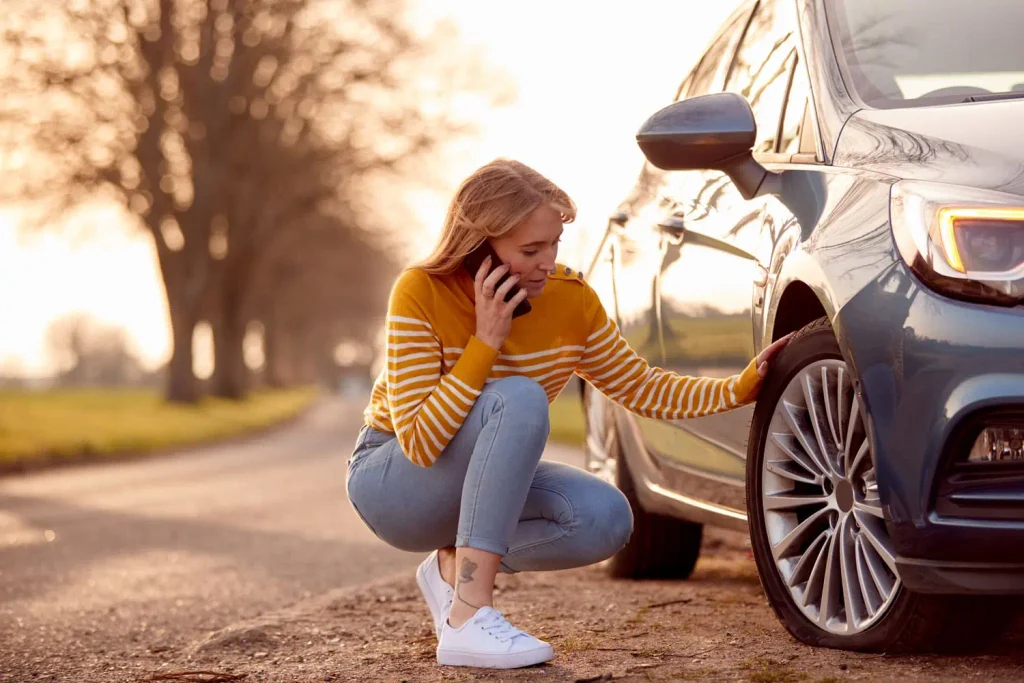
A stalled car is more than an inconvenience. How long you wait for help directly affects how safe you are.
Less Time Exposed to Traffic
Highway shoulders are among the most dangerous places to stop. Passing vehicles move fast and close, and distracted drivers drift. California’s Move Over law requires drivers to move over or slow down for tow trucks and emergency vehicles stopped with flashing lights, but not every driver follows it. Getting your car fixed or moved quickly shortens the time you and your passengers spend next to live traffic.
Protection From Heat, Cold and Weather
Sacramento summers regularly climb past 100 degrees, and a car with a dead battery has no air conditioning. That is dangerous for children, older passengers and pets. In winter, dense Tule fog makes a stopped car hard to see, and cold mornings drain weak batteries. Quick emergency roadside assistance limits how long you sit in those conditions.
Personal Security at Night
A dead battery in an empty parking garage or a flat tire on a dark rural road can leave you feeling vulnerable. Knowing that help is on the way, and that it is available 24/7, takes a lot of the fear out of the situation.
Preventing Bigger Damage
Driving on a flat tire can ruin the wheel. Repeatedly cranking a car with a weak battery can strain the starter. Trying to rock a stuck car free can damage the transmission. Fast, professional help stops a small problem from becoming an expensive one.
Car Battery Jump Start Service: The Most Common Roadside Call
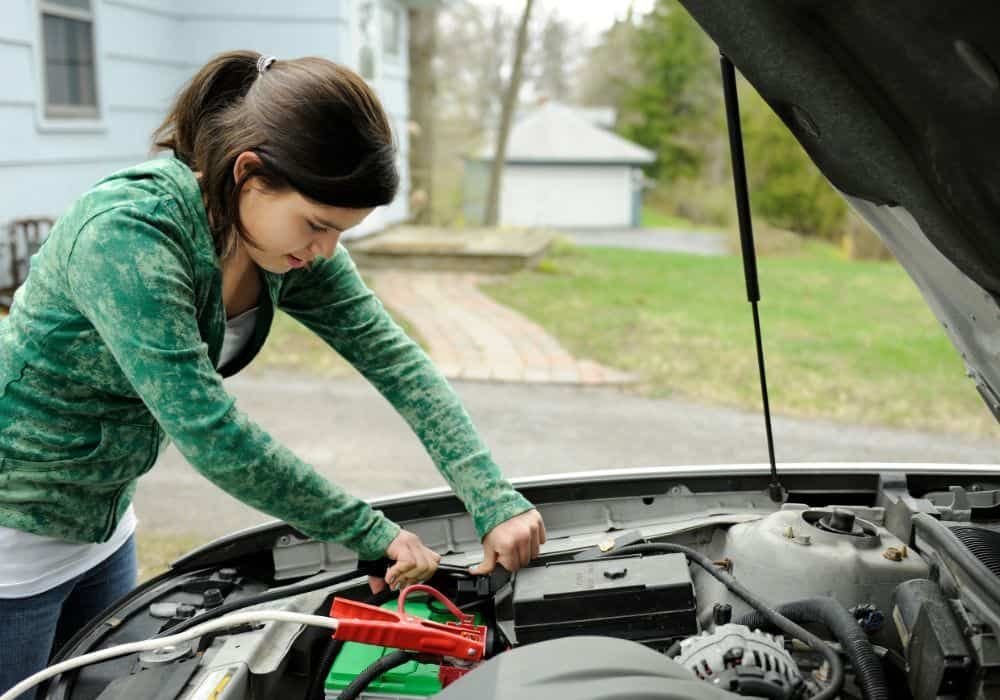
Dead batteries cause a large share of roadside calls, and they rarely give much warning. Most car batteries last about three to five years, and heat shortens that life. In the Sacramento Valley, long stretches of triple-digit summer days are hard on batteries, which is why many fail when the first cold morning arrives in fall.
A car battery jump start service sends a technician with a professional jump pack or service vehicle to give your battery enough power to start the engine. It is usually one of the quickest roadside fixes, and once the engine runs, the alternator begins recharging the battery.
If you want to try it yourself first, our Dead Car Battery Jump-Start Guide walks through the tools, the correct cable order and the mistakes to avoid. If you are on a busy road, do not have cables or are not sure, call for help instead.
Signs Your Battery Is Running Out of Power
- The engine cranks slowly or makes a clicking sound when you turn the key or press start.
- Headlights and dash lights look dim, especially at idle.
- The battery warning light comes on while driving.
- Power windows, locks or the radio act strangely.
- You see white or blue-green corrosion around the battery terminals.
- The battery is more than three years old, or the car needed a jump recently.
When a Jump Start Will Not Fix the Problem
A jump start solves a drained battery. It will not fix a battery that is failing internally, a bad alternator or a faulty starter. If your car dies again shortly after a jump, the battery will not hold a charge, or the battery case is swollen, cracked or leaking, the vehicle may need a new battery or a tow to a shop. A technician can help you judge which situation you are in.
Roadside Battery Assistance vs. Doing It Yourself
Jumping a car is a common skill, but it is not always the right move. Here is how roadside battery assistance compares with handling it on your own.
| Factor | DIY jump start | Professional roadside battery assistance |
| What you need | Cables plus a second running car | Nothing; the technician brings the equipment |
| Safety near traffic | You stand between cars, often close to the road | The technician positions the service vehicle and works safely |
| Risk to electronics | Wrong cable order can damage sensors and modules | Correct connections and professional jump packs |
| Hybrids, EVs and push-start cars | Owners are often unsure how to jump them | Technicians follow the vehicle’s jump points |
| When it fails | You are still stuck | The technician can explain next steps and arrange a tow |
Roadside battery assistance is especially worth calling for when you are alone, it is dark or raining, you are on a freeway shoulder, or your car has a battery in an unusual spot such as the trunk or under a seat.
Other Unexpected Problems Roadside Help Solves
Flat Tires and Blowouts
A flat is easy to change in a driveway and much harder on a narrow shoulder with traffic a few feet away. A technician can mount your spare quickly and safely. If you do not have a usable spare, or more than one tire is damaged, a tow is the better option.
Running Out of Fuel
Gauges can be misleading, and gas stations can be farther apart than expected on rural routes. Fuel delivery brings enough gas to get you to the nearest station, which is far safer than walking along a highway with a gas can.
Locked Out of Your Car
Keys locked inside, especially with a child or pet in the car on a hot day, call for prompt help. Lockout assistance gets you back inside without damaging the door, window or weather stripping. If a child or pet is in danger, call 911 first.
Stuck in Mud, Sand or a Ditch
Soft shoulders, levee roads and river access areas can trap a car quickly. A professional winch out pulls the vehicle back to solid ground without the damage that strangers with tow straps often cause.
Emergency Roadside Assistance: What to Do While You Wait
The steps you take in the first few minutes make the whole situation safer and help the technician reach you sooner.
- Get as far from traffic as you can. Steer onto the shoulder, an exit ramp or a parking lot if the car still moves. Turn the wheels away from the road.
- Turn on your hazard lights. At night, also turn on your interior light so you are visible.
- Decide whether to stay in the car. On a busy highway, staying buckled in is often safest. If you can get well away from traffic behind a barrier, that can be safer still. Never stand behind or directly beside the car.
- Set out warning triangles or flares only if you can do it without walking into traffic.
- Call for help and share the details listed below.
- Stay reachable. Keep your phone charged and answer calls from the dispatcher or technician.
If anyone is hurt, the car is on fire or you are blocking a live lane, call 911 before calling for emergency roadside assistance.
What to Tell the Dispatcher for a Faster Response
Clear details help the right help arrive sooner. When you call, have this ready:
- Your exact location: highway and direction of travel, nearest exit or mile marker, cross streets, or a business address. Sharing a map pin from your phone helps.
- Your vehicle: year, make, model, color and whether it is gas, hybrid or electric.
- What happened: the car will not start, a tire went flat, you ran out of gas, the keys are locked inside or the car is stuck.
- Your situation: whether you are near traffic, alone, with children or pets, or in extreme heat.
- A callback number in case the call drops.
Response times depend on your location, traffic and conditions at the time of the call, so ask the dispatcher for an estimate.
Emergency Tools to Keep in Your Car
A small kit will not replace professional help, but it makes any roadside problem safer and more comfortable while you wait. Keep these in your trunk:
- Jumper cables or a charged portable jump starter.
- A properly inflated spare tire, jack and lug wrench.
- A tire pressure gauge.
- A flashlight with spare batteries.
- Reflective warning triangles or road flares.
- A first aid kit.
- A phone charger or charged power bank.
- Drinking water, especially in summer, plus a few snacks.
- A blanket and rain poncho for cold or wet nights.
- Work gloves and a few shop towels.
Check the kit every few months. Charge the jump starter, check the spare’s air pressure and replace anything you have used.
Roadside Assistance or a Tow: Which Do You Need?
| Situation | Best option |
| Car will not start, lights are dim | Car battery jump start service |
| Flat tire and you have a usable spare | Roadside tire change |
| Out of gas | Fuel delivery |
| Keys locked inside | Lockout assistance |
| Stuck in mud, sand or a ditch, car runs fine | Winch out service |
| Car dies again after a jump, or warning lights and smoke | Tow to a repair shop |
| Accident damage, leaking fluids or unsafe to drive | Tow to a repair or body shop |
Because ST Towing handles both roadside help and towing, one call covers the whole situation. If the technician finds the problem cannot be fixed on site, the car can be towed without starting over with another company.
Frequently Asked Questions
What is fast roadside assistance?
Fast roadside assistance is on-the-spot help for common vehicle problems, such as dead batteries, flat tires, empty fuel tanks, lockouts and stuck cars, available around the clock and dispatched promptly so you are not stranded for long.
How long does emergency roadside assistance take to arrive?
It depends on your location, traffic, weather and how many calls are active at the time. Ask the dispatcher for an estimate when you call, and share your exact location to avoid delays.
Is a car battery jump start service safe for newer cars?
Yes, when done correctly. Technicians use the right connection points and professional jump packs, which lowers the risk of damaging sensitive electronics compared with a rushed DIY jump.
What if my battery will not hold a charge after a jump?
The battery may be failing, or the alternator or starter may be the problem. If the car dies again soon after a jump, the vehicle may need a new battery or a tow to a repair shop.
Should I stay in my car while waiting for roadside help?
On a busy highway, staying buckled in with your hazard lights on is often the safest choice. If you can get well away from traffic behind a barrier, do that. If anyone is hurt or the car is unsafe, call 911.
Does ST Towing offer roadside battery assistance 24/7?
Yes. ST Towing provides roadside battery assistance, jump starts, tire changes, fuel delivery, lockout help, winch outs and towing 24 hours a day, seven days a week across the Sacramento region.
Need Fast Roadside Assistance? Call ST Towing Today
Unexpected vehicle problems are stressful, but they do not have to ruin your day. With fast roadside assistance, a dead battery, flat tire or empty tank becomes a short delay instead of a long, unsafe wait on the side of the road.
ST Towing provides emergency roadside assistance, car battery jump start service, fuel delivery, lockout help, winch outs and towing 24/7 across Sacramento, Folsom, Roseville, Elk Grove, Davis, Rancho Cordova and Woodland. When you need help you can count on, or a trusted Towing Service in Sacramento CA call 916-884-8822 and help will be on the way.