Your car just died on the shoulder of Interstate 80, or maybe your all-wheel-drive SUV took a hit in a parking lot and one wheel now sits at an odd angle. You need it moved, but you also need it to arrive without new scrapes, strained axles or a damaged transmission. That is exactly the job a flatbed towing service does best.
Flatbed towing carries your whole vehicle on a level steel deck, with all four wheels off the pavement for the entire trip. Nothing drags, nothing spins and nothing rolls on a tire that should not be rolling. For many modern vehicles, it is not just the gentler option. It is the right one.
This guide explains how flatbed towing works, the real benefits, which vehicles need it, how it compares with other towing methods and what to tell the dispatcher so your tow goes smoothly.
The quick answer:
- A flatbed towing service loads your vehicle onto a flat, tilting platform and secures it, so no wheels touch the road during transport.
- It is the safest choice for all-wheel-drive and four-wheel-drive vehicles, accident-damaged cars, low-clearance cars, classics and vehicles that will not roll.
- Flatbeds prevent drivetrain wear, keep tires and bumpers off the pavement and protect against road debris.
- When you call, share your location, the vehicle make and model, its drivetrain, what happened and where it needs to go.
What Is a Flatbed Towing Service?
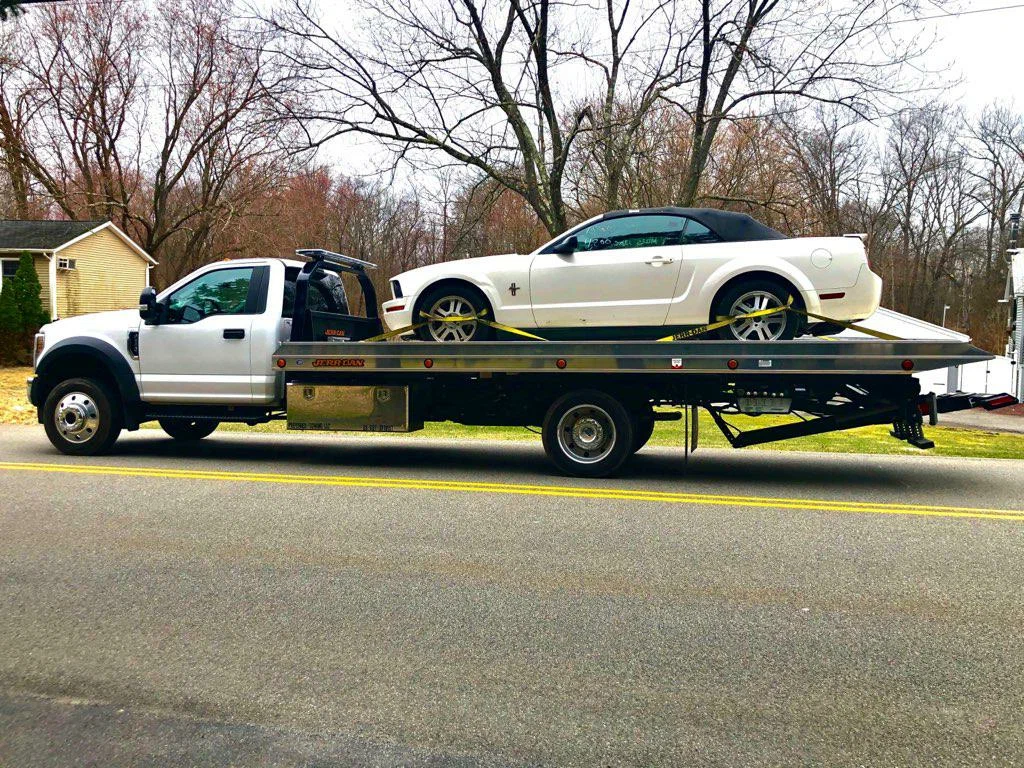
A flatbed towing service uses a tow truck with a long, flat bed (also called a rollback or slide-bed) that hydraulically tilts and slides back until its rear edge rests on the ground. The vehicle is pulled or driven up onto the deck, strapped down at the wheels or frame, and the bed returns to level for the drive.
That design is what separates a flatbed tow truck from a traditional hook-and-chain or wheel-lift truck, which lifts only the front or rear of a vehicle and lets the other two wheels roll along the road. With a flatbed, your car rides as cargo, not as a trailer. If you want the background on why this matters, our earlier article on Why Flatbed Truck Towing Matters covers the basics. This guide goes deeper into how the process works and when you should ask for it.
How Does Flatbed Towing Work?
A professional flatbed tow follows the same careful sequence every time. Knowing the steps helps you understand why it protects your vehicle and what to expect when the truck arrives.
Step 1: Assessing the Vehicle and the Scene
The operator first checks where your vehicle is, how much room there is to position the truck and what condition the vehicle is in. Is it on a highway shoulder, in a tight parking garage or stuck in a ditch? Are the wheels straight? Can the transmission be put in neutral? Is the steering locked? These answers decide how the vehicle will be loaded.
Step 2: Tilting the Bed
The driver positions the truck in front of or behind your vehicle, then uses hydraulics to slide and tilt the bed until it forms a ramp to the ground. The shallow loading angle is what lets low-clearance cars go up without scraping the front bumper or splitter.
Step 3: Winching the Vehicle Onto the Deck
If your vehicle can drive, it may be driven slowly onto the bed. If it cannot, the operator attaches the winch cable to a proper recovery point and pulls it up the deck in a slow, controlled way. Vehicles with damaged or locked wheels may need wheel dollies or skates to roll safely.
Step 4: Securing It for Transport
Once the vehicle is centered on the bed, it is tied down at multiple points, typically with wheel straps or chains to approved frame points. The goal is to keep the vehicle from shifting under braking, turns or bumps without stressing suspension parts. The bed then slides back into its level travel position.
Step 5: Transport and Unloading
Your vehicle rides level and fully off the road to the destination you choose, whether that is a repair shop, dealership, body shop or your home. At drop-off, the process reverses: the bed tilts, the vehicle is eased down and the straps come off.
Benefits of Flatbed Towing
The benefits of flatbed towing come down to one idea: your vehicle never touches the road while it is being moved. Here is what that means in practice.
1. No Wear on the Drivetrain
All-wheel-drive and four-wheel-drive systems connect the front and rear wheels through the drivetrain. Towing these vehicles with two wheels rolling can damage the transmission, transfer case or differentials. Many owner’s manuals specifically recommend flatbed transport for this reason. A flatbed removes the risk entirely.
2. Protection for Damaged Vehicles
After a collision, a vehicle may have a bent wheel, a broken axle, flat tires or loose body panels. Dragging it on two wheels can make that damage worse. On a flatbed, the vehicle is carried as is, so the damage the body shop sees is only the damage from the accident.
3. Safe for Low-Clearance and Luxury Cars
Sports cars, lowered vehicles and many luxury models sit close to the ground. The gentle ramp of a flatbed and controlled winching help avoid scraping bumpers, air dams and undercarriage parts.
4. Less Exposure to Road Hazards
Rolling tires pick up debris, and a car being dragged behind a truck takes rocks and road spray directly to the front end. Riding up on the deck keeps the vehicle above most of that.
5. More Stable, Predictable Transport
A vehicle strapped to a level deck does not sway or bounce behind the truck the way a partially lifted vehicle can. That stability matters on highways, on hills and in heavy traffic.
6. Works for Vehicles That Cannot Roll
Locked brakes, a seized transmission, missing wheels or a vehicle that has been sitting for years are all problems for a tow that relies on rolling wheels. A flatbed handles them because nothing needs to turn.
When Do You Need a Flatbed Tow Truck?
You do not always need a flatbed, but in these situations it is the safest call:
- All-wheel-drive or four-wheel-drive vehicles, including many SUVs, crossovers and pickups.
- Accident damage, especially bent wheels, broken suspension, flat tires or fluid leaks.
- Low-clearance, luxury, exotic or classic cars where scrapes and drivetrain stress are expensive.
- Electric and hybrid vehicles, which many manufacturers say should be moved with all wheels off the ground.
- Non-running or long-stored vehicles with locked brakes, flat tires or a transmission that will not shift.
- Motorcycles, which need to ride upright and secured, not dragged.
- Long-distance moves, where extra miles mean extra wear on any rolling wheels.
Drivers in the foothill communities east of Sacramento see many of these cases, from weekend cars to AWD SUVs. If you are in that area, see how we Flat Tow Vehicles in Folsom, CA and nearby neighborhoods, around the clock.
Flatbed Towing vs. Wheel-Lift Towing: Which Is Better?
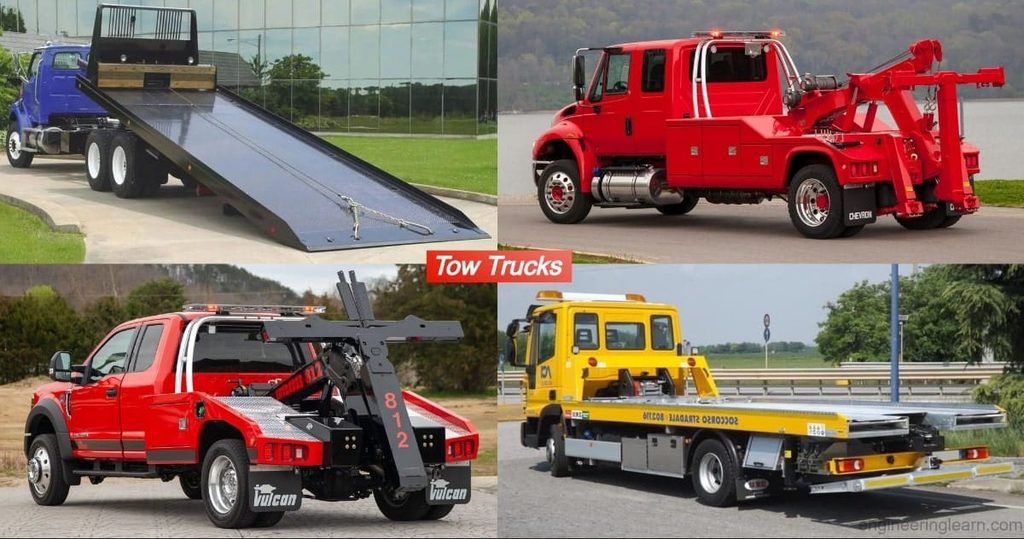
Wheel-lift trucks are quick and useful for short, simple tows of front-wheel or rear-wheel-drive cars in good condition. Flatbeds trade a little speed at loading for far more protection. Here is how they compare.
| Factor | Flatbed towing | Wheel-lift towing |
| Wheels on the road | None | Two |
| Safe for AWD and 4WD | Yes | Not recommended without dollies |
| Accident-damaged vehicles | Ideal | Limited, depends on damage |
| Low-clearance cars | Gentle loading angle | Risk of bumper and underbody scrapes |
| Long-distance moves | No added wear | Added tire and drivetrain wear |
| Tight spaces | Needs more room to load | Easier in tight lots |
If you are not sure which method fits your vehicle, tell the dispatcher the make, model and drivetrain. A professional towing company will match the truck to the vehicle, not the other way around.
Flatbed Vehicle Transport Beyond Breakdowns
Flatbed vehicle transport is not only for emergencies. Many drivers book a flatbed in advance for planned moves, such as:
- Taking a project car or classic to a restoration or paint shop.
- Moving a vehicle you just bought from a private seller or auction that is not yet registered or road-ready.
- Delivering a car to a dealership for warranty work.
- Relocating a vehicle across town when you move homes.
- Hauling away a junk or non-running car, which ST Towing can also handle through junk vehicle removal and car buyers service.
Planned flatbed vehicle transport gives you the same level, secured ride as an emergency tow, without putting extra miles on the odometer.
What to Tell the Dispatcher When You Call
A few details up front help the right truck arrive ready to work. When you call for a flatbed towing service, share:
- Your exact location, with a map pin, cross street, highway mile marker or parking level.
- Year, make and model, plus whether it is AWD, 4WD, electric or hybrid.
- What happened, such as a breakdown, accident, flat tire or a car that will not start.
- Whether it rolls and steers, if the keys are with you and if it can shift into neutral.
- Access issues, like a low garage ceiling, locked gate, soft ground or a narrow driveway.
- The destination, with the address of the shop, dealership or home.
Do not try to force a locked steering wheel or crawl under the vehicle to check damage. Let the operator assess it when they arrive.
How to Choose the Right Flatbed Towing Service
Not every towing company handles every vehicle the same way. Before you hand over your keys, look for:
- 24/7 availability, because breakdowns rarely happen during business hours.
- Experience with your vehicle type, including AWD, EV, low-clearance and damaged vehicles.
- Clear pricing on the phone before the truck is dispatched, with no surprise fees at drop-off.
- Proper tie-down equipment, such as wheel straps, soft ties and wheel dollies, on the flatbed tow truck.
- Local knowledge of highways, neighborhoods and shops in your area.
- Good reviews that mention careful handling, communication and on-time arrival.
While You Wait: Staying Safe Roadside
- Turn on your hazard lights and, if you can, move the vehicle fully onto the shoulder or into a lot.
- On a busy highway, stay buckled in the vehicle or stand well away from traffic behind a barrier.
- Set out reflective triangles or flares if you have them and it is safe to do so.
- Take photos of any existing damage, which is useful for insurance and for your own records.
- Remove valuables and important papers before the vehicle is loaded.
Frequently Asked Questions
What is a flatbed towing service?
A flatbed towing service moves your vehicle on a flat, tilting truck bed so all four wheels stay off the road. It is the safest way to transport AWD, damaged, low-clearance and non-running vehicles.
Is flatbed towing better than regular towing?
For many vehicles, yes. Flatbed towing prevents drivetrain wear, keeps damaged wheels off the pavement and protects against scrapes and road debris. Wheel-lift towing can be fine for short tows of two-wheel-drive cars in good condition.
Do all-wheel-drive cars need a flatbed tow truck?
Most manufacturers recommend it. Towing an AWD vehicle with two wheels on the ground can damage the transmission or transfer case, so a flatbed tow truck is the safer option. Check your owner’s manual or ask the dispatcher.
Can a flatbed tow a car that does not run?
Yes. The vehicle is winched onto the deck, so it does not need to start or drive. Wheel dollies or skates can be used if wheels are locked or damaged.
How much does a flatbed towing service cost?
Cost depends on distance, vehicle type, location and the condition of the vehicle. Call ST Towing at 916-884-8822 for a quote based on your situation before the truck is sent.
Can I book flatbed vehicle transport ahead of time?
Yes. Flatbed vehicle transport works well for planned moves, such as taking a car to a shop, picking up a new purchase or moving a classic. Call ahead to schedule a time.
Need a Flatbed Towing Service Now? Call ST Towing
A breakdown or accident is stressful enough without worrying about how your vehicle will be treated on the way to the shop. With a flatbed, it rides level, secured and fully off the road, so it arrives in the same condition it was picked up.
ST Towing provides flatbed towing, roadside assistance, jump-starts, fuel delivery and winch-out service 24/7 across Sacramento, Folsom, Roseville, Elk Grove, Davis, Rancho Cordova and Woodland. When you need dependable Towing Service in Sacramento CA call 916-884-8822 and a flatbed tow truck will be on the way.