A dead car battery can happen at the worst possible time. You may be heading to work, leaving a store, or getting ready for a road trip when the engine suddenly refuses to start. In many cases, the issue comes from a weak or empty battery. Knowing the safe way to handle this situation can save time, reduce stress, and help avoid damage to the vehicle. A Jump-Start service can help drivers get their vehicles running again when the battery loses power. However, understanding the correct process is important before connecting cables or using another power source. A small mistake can create electrical problems or safety risks.
This guide explains how to jump car safely, what causes battery failure, what tools are needed, and when professional help may be the better choice. With the right knowledge, drivers can make safer decisions during unexpected roadside situations.
Understanding Why a Car Battery Dies
A car battery supplies the necessary electricity for starting the engine and running various vehicle systems. All batteries, however, lose power over time due to normal usage, weather, and age. There are certain common habits that can easily cause a car battery to lose power rapidly. Cold weather usually affects the chemical reactions taking place within the battery, causing the battery not to supply sufficient amounts of power required for engine start. High temperatures also can cause harm to the battery components, thereby reducing the battery life. Not all dead batteries require being replaced; sometimes, all that is required is just a jump-start.
What Happens During a Jump Start?
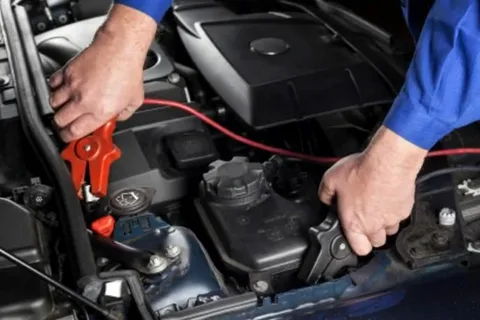
A jump start transfers electrical power from a working battery to a dead battery. This temporary power boost allows the vehicle’s starter motor to turn and begin the engine cycle. When you jump start a car, the working battery provides enough energy to help the weak battery start the engine. Once the engine runs, the alternator begins charging the battery again.
The process sounds simple, but safety matters. Vehicle batteries produce electrical energy and contain chemicals that require careful handling.
Important safety considerations:
- Check both batteries before connecting cables.
- Make sure both vehicles use compatible voltage systems.
- Keep metal tools away from battery terminals.
- Avoid smoking near a vehicle battery.
- Stop if cables become hot or show damage.
A careful approach helps prevent sparks, electrical damage, and possible injuries. Therefore, drivers should avoid rushing through the process.
Tools Needed to Jump-Start a Dead Battery
The presence of the right tools will simplify the procedure and make it safer. Most car owners carry with them emergency equipment since battery problems tend to arise unexpectedly. Jumper cables are among the most popular equipment for this purpose. These cables link the active battery with the dead battery, allowing the electricity to move from one car to the other.
Some other equipment which could help include:
- A portable jump starter
- Safety gloves
- Protective eyewear
- Flashlight
- Owner’s manual of the car
- Contact information for emergencies
A portable jump starter may come in handy since no other vehicle would be required for that purpose. However, it is important for the driver to know how to use the equipment in case of any emergency. One must also check the state of the jumper cables before using them.
Steps to Safely Jump-Start a Vehicle
Many people search to jumpstart a car with a battery because they want a quick solution when their vehicle will not start. However, proper connection order is important. The general process includes connecting jumper cables between a working battery and the dead battery. The cables must connect to the correct terminals to avoid electrical problems.
Basic connection process
- Park the working vehicle close to the vehicle with the dead battery.
- Turn off both engines before connecting cables.
- Connect the positive cable to the positive terminal.
- Attach the other positive clamp to the working battery.
- Connect the negative cable to the working battery.
- Attach the final clamp to a safe metal ground point.
- Start the working vehicle first.
- Try starting the vehicle with the dead battery.
After the vehicle starts, allow it to run for a short period. This gives the alternator time to recharge the battery.
Common Mistakes Drivers Should Avoid
However, there could be situations when the jumper might become a problem in case of mistakes. Most of the problems that are associated with batteries are made due to haste or improper connections. One of the errors is making connections in the wrong order, which can result in sparks or even damage some electronic components. Moreover, one should not try to start the car with a dead battery several times.
Mistakes to Avoid
- Using damaged jumper cables.
- Connecting the wrong battery terminals.
- Ignoring battery leaks or damage.
- Jumping a frozen battery.
- Forgetting to turn off vehicle electronics.
- Driving without checking the battery condition.
A jump start is usually a temporary fix. Therefore, drivers should inspect the battery afterward if starting problems continue.
When Professional Battery Help Makes Sense
Sometimes a dead battery is not just an issue of low battery power. A professional service will be able to tell what is wrong: the battery, the alternator, the starter or other electric parts. Sometimes drivers will need professional assistance because the car fails to start despite the jump start.
Professional assistance can be useful in situations such as:
- The battery is completely damaged.
- The vehicle stops again after starting.
Many roadside providers offer services such as dead car battery assistance in Sacramento, CA, helping drivers recover from unexpected battery problems.
How to Maintain a Healthy Car Battery
Regular maintenance can reduce the chance of unexpected battery failure. A healthy battery improves reliability and helps the vehicle start when needed. Drivers can take simple steps to support battery health. For example, vehicle battery repair assistance in Woodland, CA can prevent corrosion from affecting performance.
Simple Battery Care Tips
- Keep battery terminals clean.
- Avoid leaving electronics running when parked.
- Take longer drives occasionally.
- Check battery age regularly.
- Test battery performance before extreme weather.
Car batteries generally last for many years, although longevity is influenced by driving styles and weather conditions. Conducting inspections on a regular basis ensures that drivers will be able to detect a weak battery in advance. Drivers should also take note of certain symptoms of battery problems.
Choosing the Right Response During a Battery Emergency
A dead battery can create frustration, especially when it happens away from home. However, staying calm and making safe choices can prevent bigger problems. Some drivers attempt to jump start vehicle dead battery situations themselves, while others prefer professional assistance. The right choice depends on experience, safety conditions, and available tools.
An emergency jump start service in Folsom, CA can assist drivers who need immediate roadside support during battery-related emergencies.
Before attempting any battery work, consider the location, weather, and personal safety. A busy road, poor lighting, or unfamiliar equipment may make professional help the safer option.
Staying Prepared Helps Avoid Unexpected Roadside Stress
Having a dead battery can ruin any journey at any time, however, knowing the correct procedure can simplify everything. Knowing the proper techniques in handling batteries, keeping them properly maintained, and knowing when to ask for help can keep drivers free from unnecessary worry. ST Towing LLC is a reliable roadside assistance provider for battery troubles and many other auto concerns.
FAQs
1. How long should a car run after a jump start?
A vehicle should usually run for some time after a jump start to allow the alternator to recharge the battery. Driving for a longer period may help restore battery power.
2. Can a dead battery damage a car?
A dead battery alone usually does not damage the vehicle. However, repeated battery failures may indicate problems with the alternator or electrical system.
3. How often should a car battery be replaced?
Most car batteries last several years, but lifespan depends on driving habits, weather, and maintenance. Regular testing can help identify when replacement may be needed.
4. Why does my car battery keep dying?
A battery may keep dying because of an old battery, charging problems, electrical drains, or short driving trips that prevent proper charging.
5. Is it safe to jump-start a car in the rain?
A jump start can often be performed in light rain when proper precautions are followed. However, drivers should avoid unsafe conditions and seek help if they feel uncomfortable.