A vehicle can stop working without warning. It may happen on a busy road, during a family trip, or after an accident. When that happens, safe transportation becomes a major concern. Flatbed truck towing offers a practical way to move a vehicle while keeping all four wheels off the road. The vehicle rests on a level platform throughout the journey. This setup can help reduce stress on damaged wheels, tires, and other parts. It can also work well for vehicles that cannot move safely on their own. Moreover, flatbed towing suits many cars, trucks, SUVs, and specialty vehicles. Understanding this towing method can help drivers make better choices during stressful roadside situations. It can also help vehicle owners understand why certain towing methods work better for specific problems.
What Makes Flatbed Towing Different?
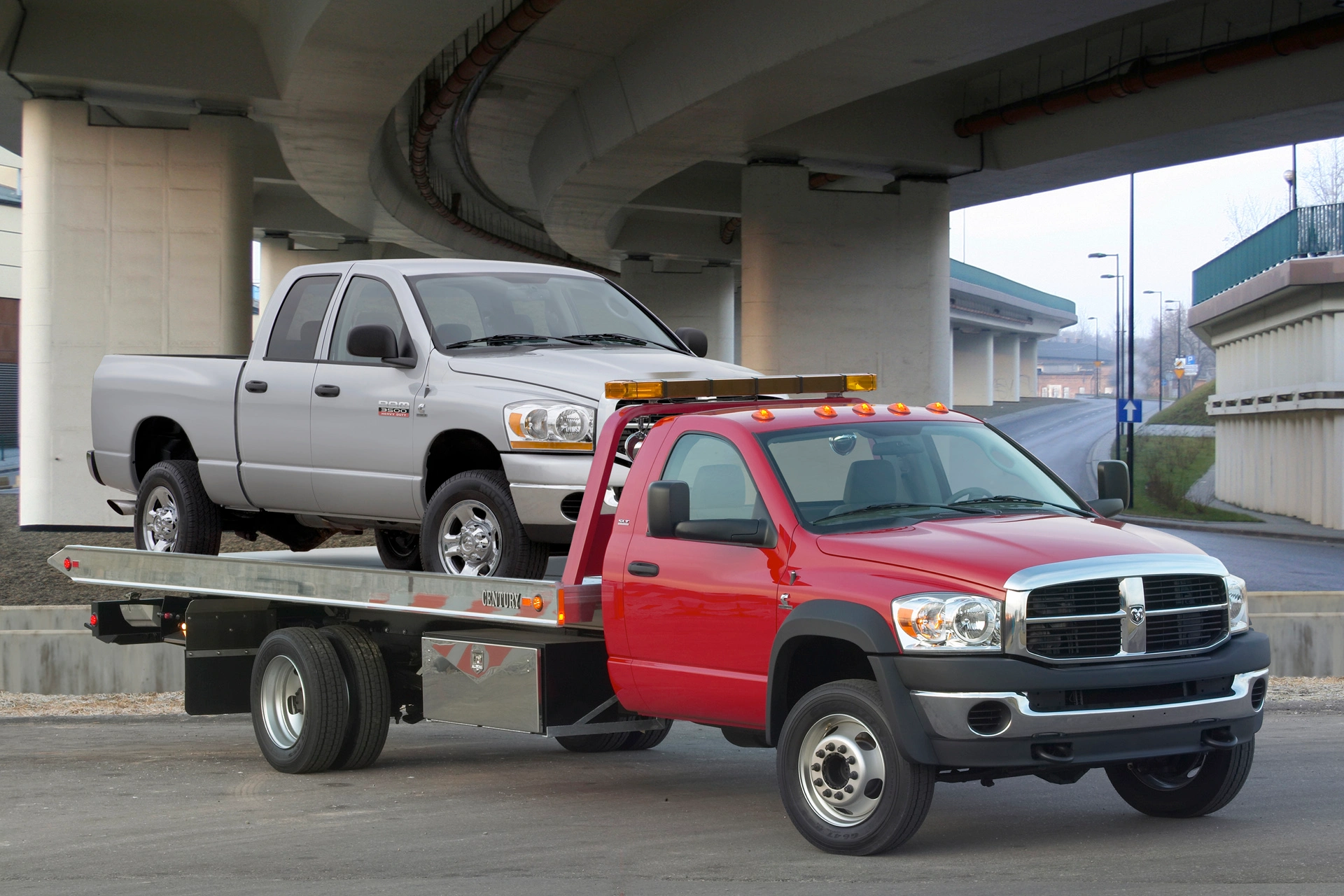
A flatbed tow truck uses a large, level platform to carry a vehicle. Unlike some other towing methods, the vehicle does not roll behind the truck. Instead, the entire vehicle sits on the platform during transportation.
First, the platform moves down toward the road. The vehicle then moves onto the platform. Once loaded, secure equipment keeps the vehicle in place. The platform rises before the truck begins moving.
This method provides support to all four wheels. Therefore, the vehicle does not need to travel on its own tires during the trip. That feature can matter when the vehicle has serious mechanical or body damage.
A flatbed truck tow can also help move vehicles that cannot start. For example, an engine problem may leave a vehicle completely unable to move. A flatbed can still carry it safely.
The simple design makes flatbed towing useful in many situations. Most importantly, it keeps the vehicle supported from loading through transportation.
Why Is Flatbed Towing Important?
The towing method can affect how safely a vehicle reaches its destination. Some vehicles can handle partial lifting without problems. However, others need complete support during transportation.
Flatbed truck towing keeps the entire vehicle on one platform. As a result, the tires do not need to roll along the road. This can help reduce added stress when the vehicle already has damage. Flatbed towing can also provide stability during transport. Proper tie-down equipment keeps the vehicle secure while the truck moves.
Furthermore, this method can help protect vehicles from road debris. The vehicle stays above the pavement instead of traveling directly across it.
When Does a Vehicle Need a Flatbed?
Different roadside situations can call for different towing methods. However, several conditions can make flatbed towing a practical choice.
- Severe vehicle damage: A damaged vehicle may not roll safely.
- Wheel or tire problems: Full support can prevent damaged parts from rolling.
- Low-clearance vehicles: A flat platform can help reduce scraping.
- All-wheel-drive vehicles: Some models require special towing care.
- Non-running vehicles: A flatbed can carry vehicles that cannot drive.
Accident damage often creates special towing concerns. Broken steering or suspension parts can make normal towing unsafe. In such cases, full platform support may provide a better option.
Flatbeds can also transport vehicles with flat tires or damaged wheels. The vehicle does not need to roll during the trip. Additionally, specialty vehicles may benefit from full platform support. Motorcycles, collector vehicles, and certain modified vehicles can require careful transportation. The important point is simple. The safest option depends on the vehicle, its condition, and the equipment available.
How Does the Flatbed Towing Process Work?
Loading the Vehicle
The process starts when the flatbed moves into position. The platform then lowers toward the ground. This creates a gradual path for loading the vehicle.
If the vehicle cannot move under its own power, specialized equipment may help place it onto the platform. Careful positioning keeps the vehicle centered during loading.
Securing the Vehicle
After loading, the vehicle must stay firmly in place. Proper straps and tie-down equipment help prevent unwanted movement.
The equipment should match the vehicle and towing conditions. Correct placement also helps keep the vehicle stable during transportation.
Moving the Vehicle
Once everything is secure, the platform returns to its travel position. The truck can then transport the vehicle to its destination. This process gives the vehicle continuous support. Therefore, it can work well when normal rolling transportation presents additional risks.
Which Vehicles Can Use Flatbed Towing?
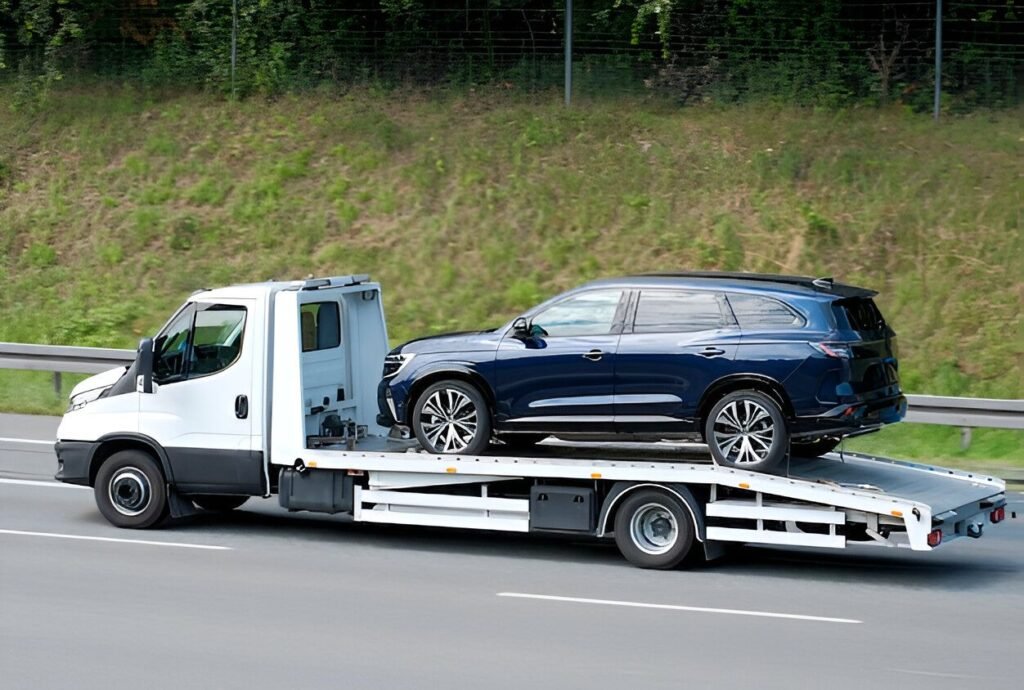
Flatbed towing works with many types of vehicles. However, the truck must have enough capacity for the vehicle’s size and weight.
Cars commonly use flatbeds after accidents or major breakdowns. SUVs and pickup trucks can also use them when the truck has suitable capacity.
Motorcycles may also benefit from this type of transportation. Their smaller size and two-wheel design can make secure loading especially important.
Specialty vehicles can require extra care as well. Modified cars, collector vehicles, and vehicles with low clearance may benefit from staying completely off the road.
A vehicle with serious mechanical damage may also need a flatbed. For example, broken steering components can make normal towing difficult. Flatbed truck towing can also support vehicles that need transportation between locations. The vehicle does not need to operate during the journey.
Still, every vehicle has different requirements. Weight, dimensions, condition, and ground clearance can all affect the towing method.
Professional experience matters because the equipment must match the vehicle. Proper equipment can improve stability and reduce unnecessary risks.
Flatbed Towing Compared With Other Methods
Several towing methods exist, and each one has a different purpose. A wheel-lift truck usually raises two wheels while the other wheels remain on the road. That method can work for certain vehicles and situations. However, it may not suit vehicles with serious wheel, steering, or suspension damage.
With flatbed towing, the entire vehicle rests on a platform. Therefore, none of the tires need to touch the road during transportation. The best choice depends on the vehicle and the situation. Distance can also affect the decision. During urgent roadside situations, Emergency towing service in Sacramento CA can help with vehicle recovery when continuing to drive is not safe.
Therefore, price should not become the only factor. A suitable towing method can help reduce risk and protect a vehicle during transportation. Understanding these differences gives drivers more confidence when roadside problems occur.
What Benefits Does Flatbed Towing Offer?
Flatbed towing provides several practical benefits for vehicle owners. The biggest benefit comes from keeping the entire vehicle supported during transportation.
- Full vehicle support: All four wheels rest on the platform.
- Less road contact: Tires remain away from pavement.
- Greater flexibility: Many vehicle types can use flatbeds.
- Stable transportation: Tie-down equipment limits movement.
- Useful for damaged vehicles: Serious damage may require full support.
These benefits can become especially important after an accident. A driver may already worry about repairs, traffic, and getting home safely.
A reliable flatbed service can make vehicle recovery easier to understand. Proper handling can also reduce confusion during a stressful situation.
Moreover, keeping the wheels off the road can help avoid additional strain on damaged components. This matters when the vehicle already has mechanical problems.
Flatbed towing can also provide peace of mind. Drivers know the vehicle remains on the platform throughout the journey. For example, car buying service with towing in Woodland, CA may involve vehicle transportation as part of a buying process. However, vehicle purchasing and emergency towing remain different services.
What Should Drivers Know About Safe Towing?
Safe towing depends on suitable equipment, proper loading, and careful transportation. Drivers can benefit from understanding the basic factors that affect towing decisions. Vehicle weight matters because every tow truck has a specific capacity. Vehicle dimensions matter too. Larger trucks and SUVs may require larger equipment.
Damage can also change the towing needs. A vehicle with broken wheels or steering components may need full platform support. Road and weather conditions can affect transportation as well. Rain, traffic, darkness, and narrow roads can create additional challenges.
Similarly, car towing service in Sacramento CA can include different towing methods. The right choice depends on the vehicle and its condition.
Safe Transport Starts With the Right Towing Method
A vehicle breakdown can turn an ordinary day into a difficult experience. However, understanding towing options can make the situation easier to manage. Flatbed Truck Towing provides full support while keeping all four wheels away from the road. This design can suit damaged vehicles, non-running cars, SUVs, trucks, motorcycles, and specialty vehicles. ST Towing LLC is one example of a towing company associated with this type of service. Still, the same safety principles apply across the towing industry. When the road ahead becomes uncertain, safe vehicle transport can provide a clearer path forward. A suitable towing method protects more than a vehicle. It also brings greater confidence during an already stressful moment.
FAQs
1. Is flatbed towing safer for damaged vehicles?
Flatbed towing can suit many damaged vehicles because all four wheels remain off the road. This setup can reduce movement and prevent damaged tires.
2. Can an all-wheel-drive vehicle use a flatbed?
Yes, many all-wheel-drive vehicles can use a flatbed. Since all four wheels rest on the platform, the vehicle does not need to roll during transportation.
3. Is flatbed towing only for expensive vehicles?
No. Flatbeds can transport regular cars, SUVs, trucks, motorcycles, and damaged vehicles. The truck must have enough capacity for the vehicle’s weight and size.
4. Can flatbed towing prevent additional damage?
Flatbed towing can reduce certain towing-related risks because the vehicle remains fully supported. However, careful loading and proper tie-down equipment remain important.
5. Why would a non-running vehicle need a flatbed?
A non-running vehicle may not move safely under its own power. A flatbed can carry the entire vehicle without requiring it to drive or roll normally.